Verified views
Photomontages and wirelines you can defend at inquiry: surveyed, camera-matched, rendered to the level the assessment needs, and archived.
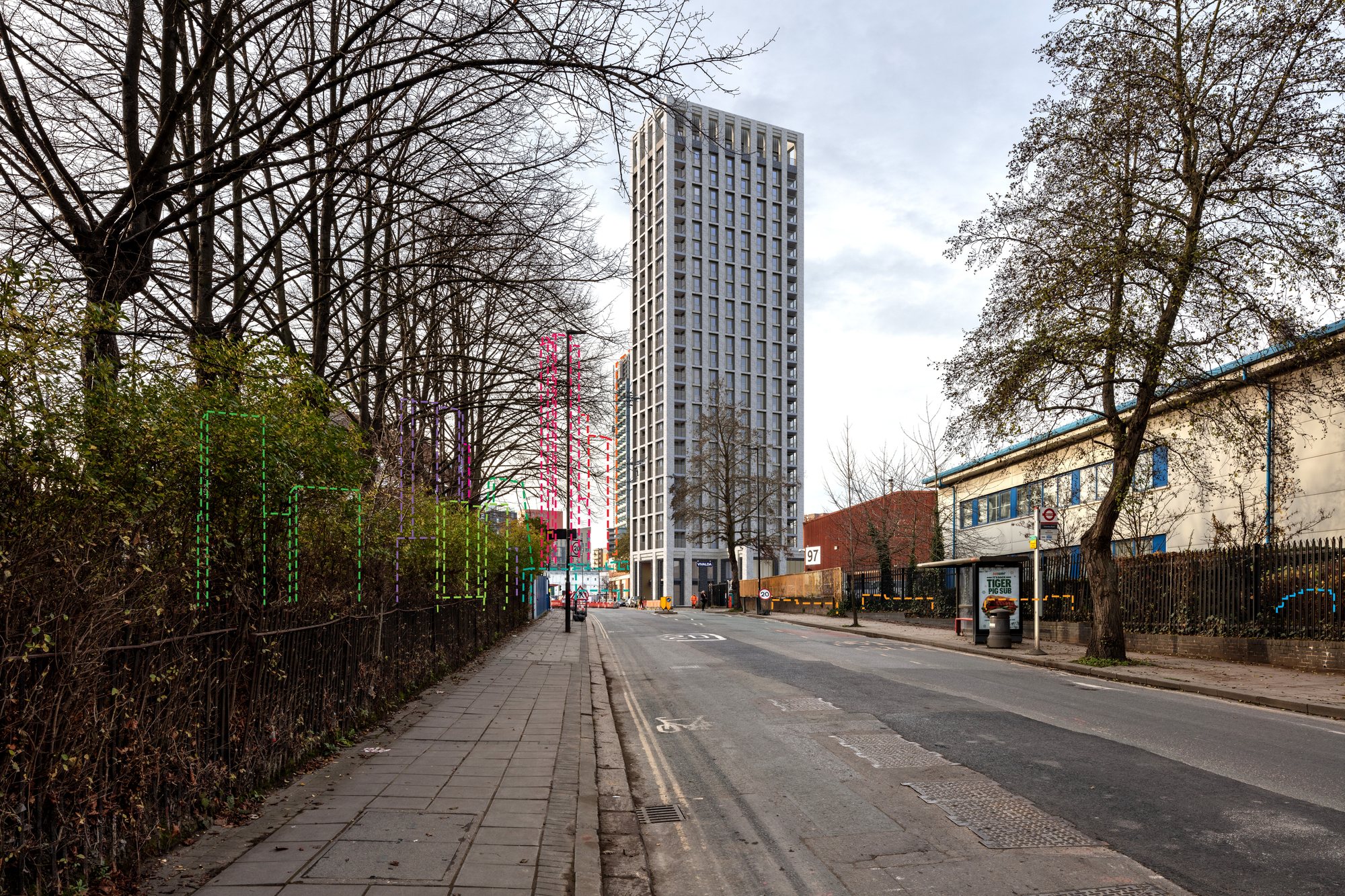
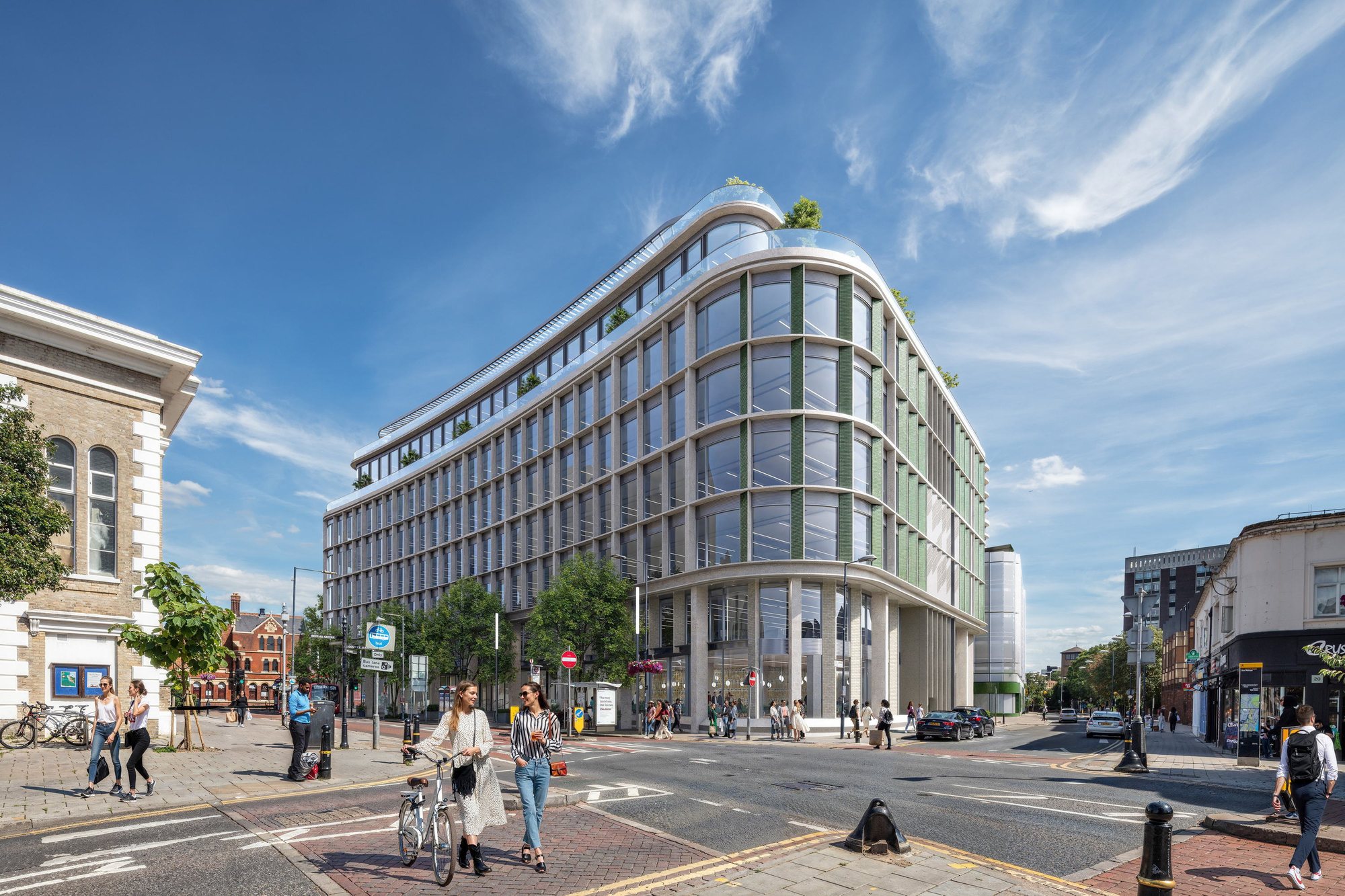
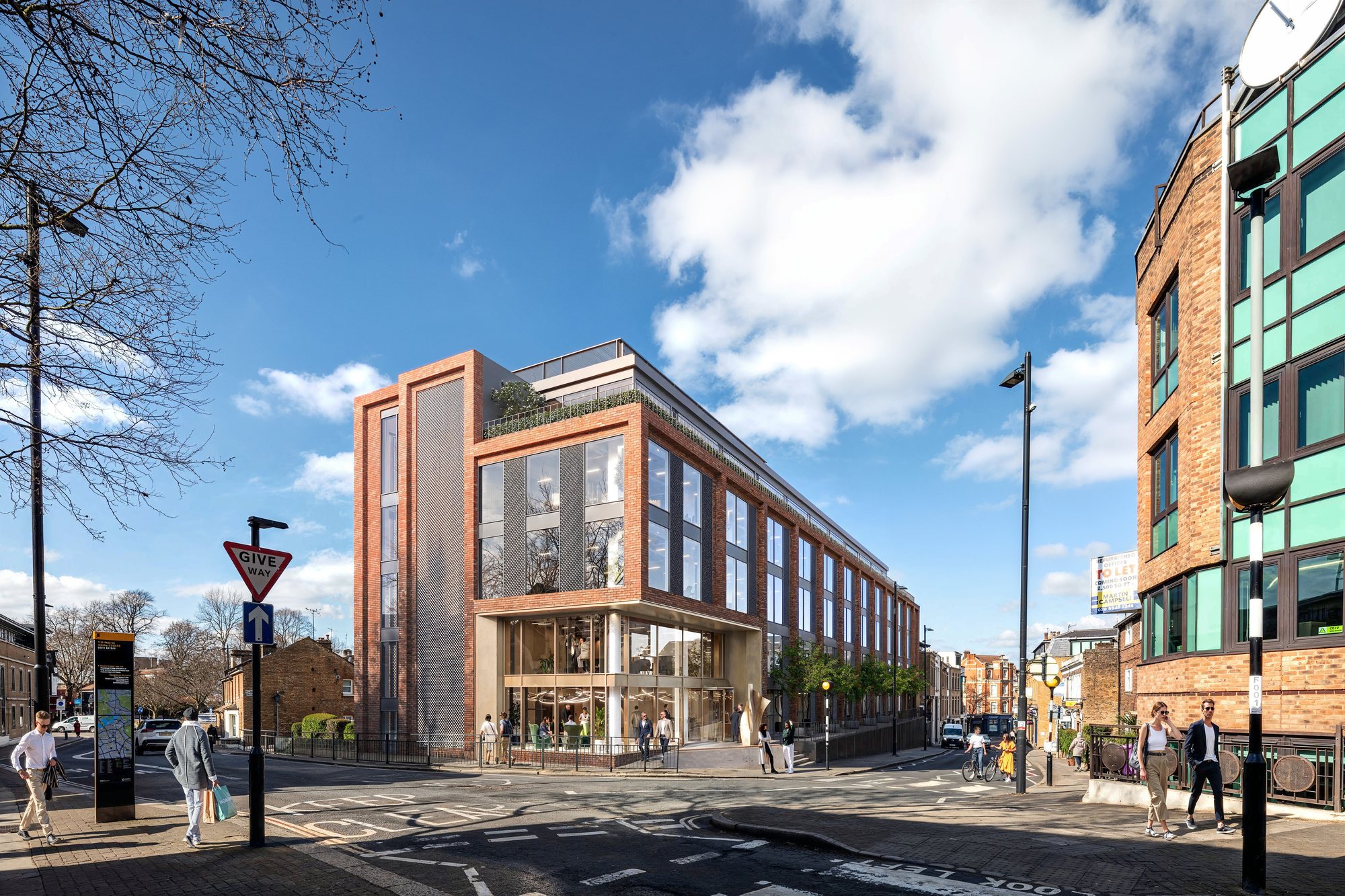
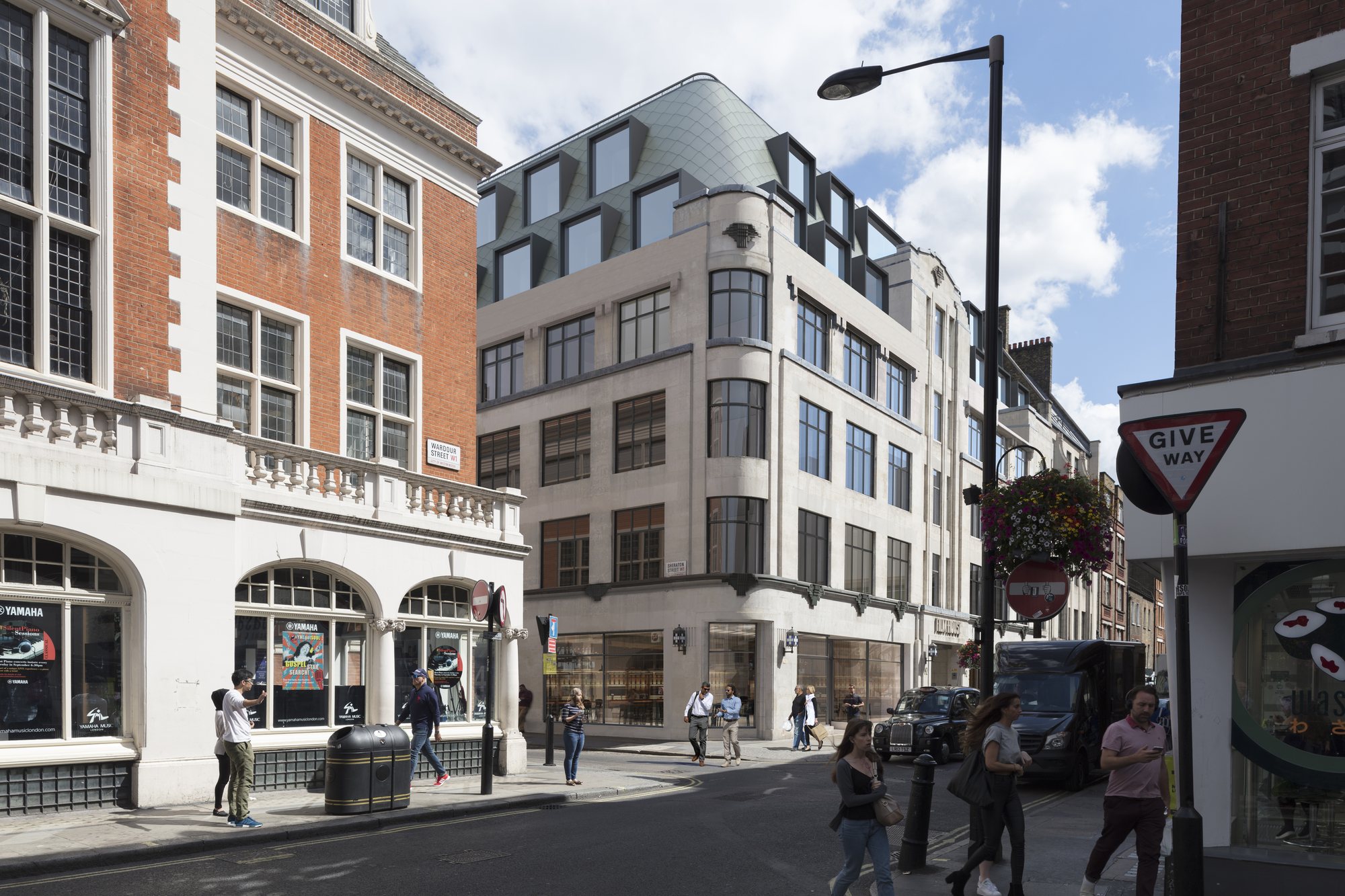
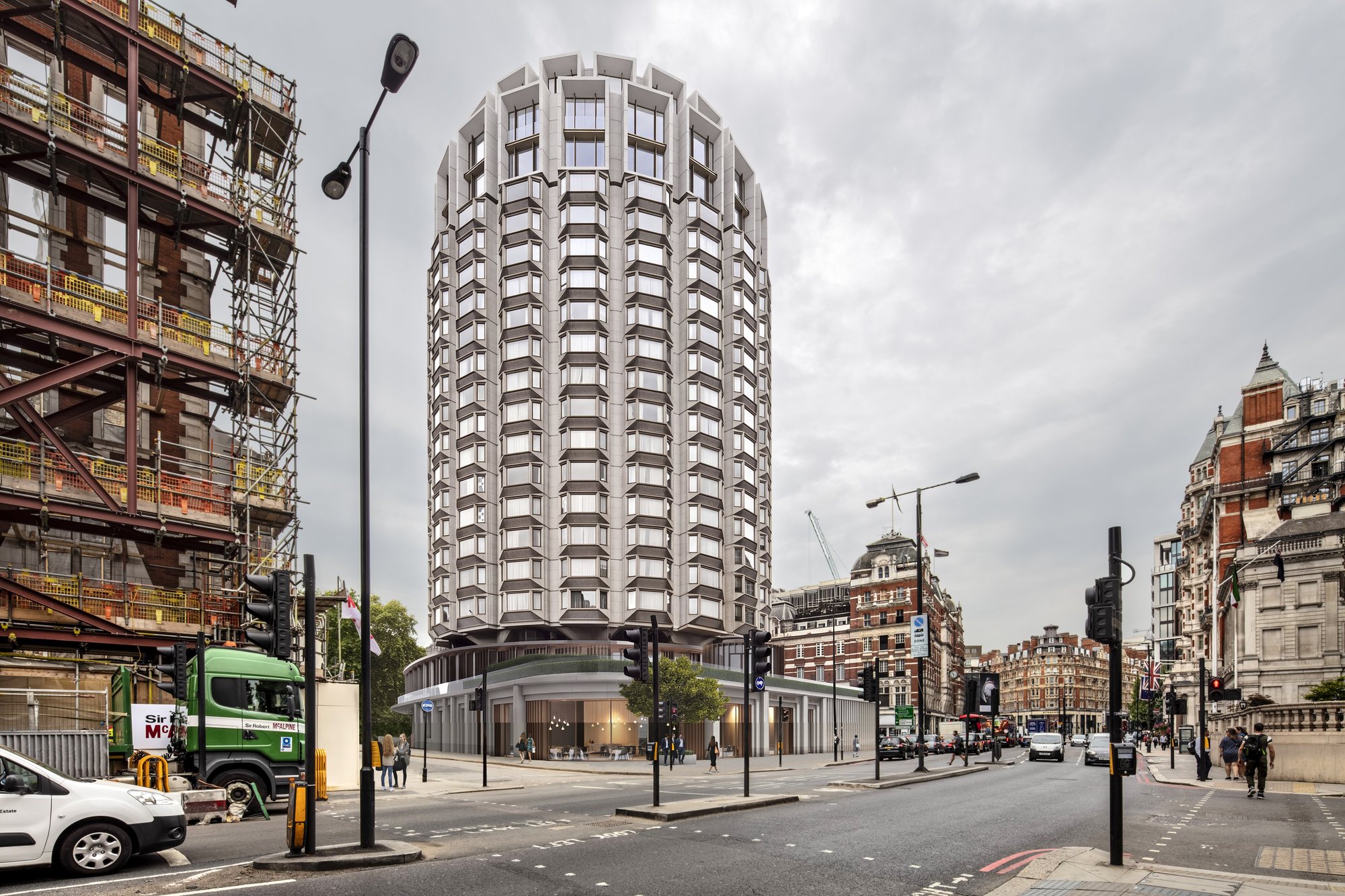
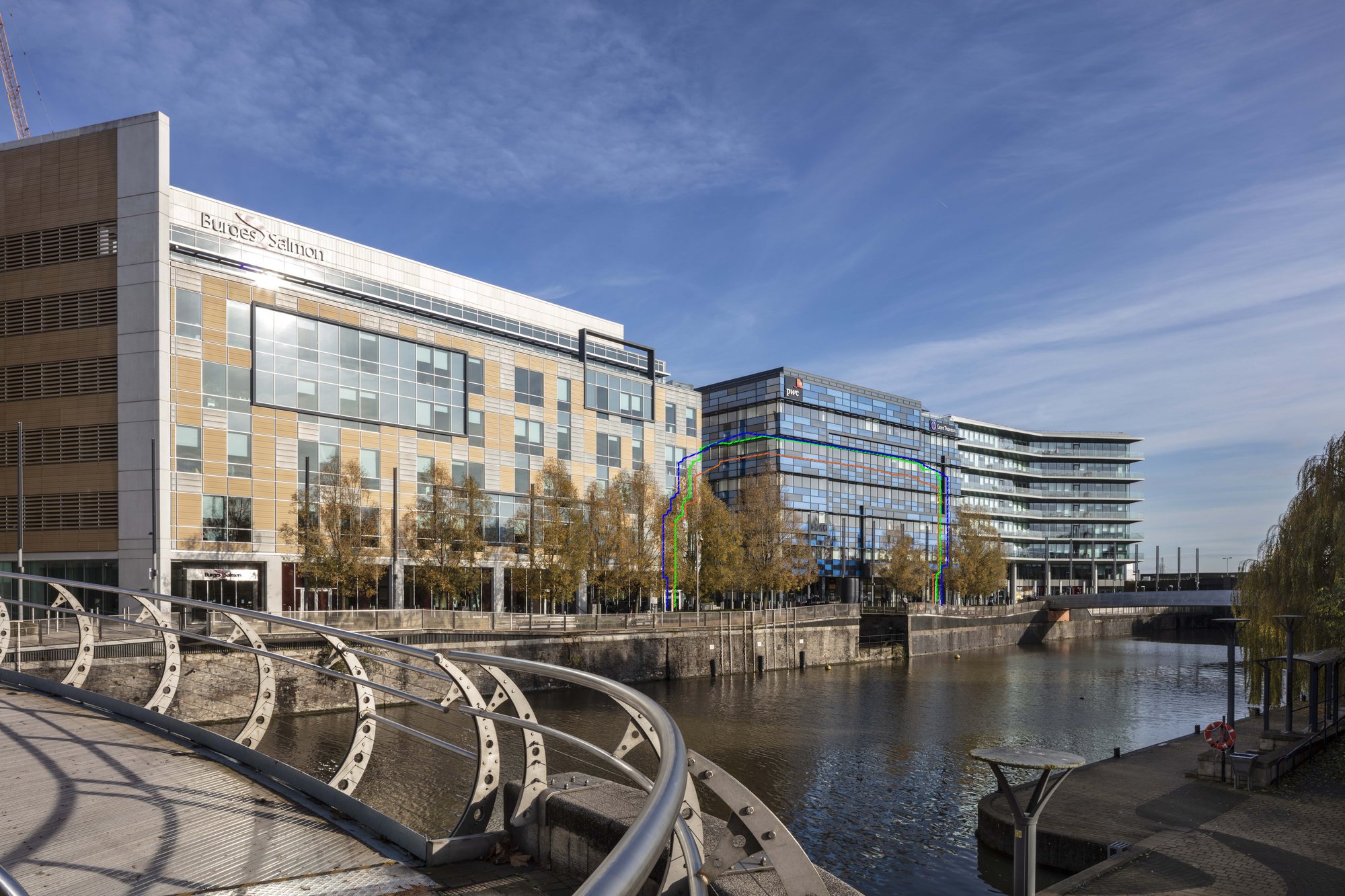
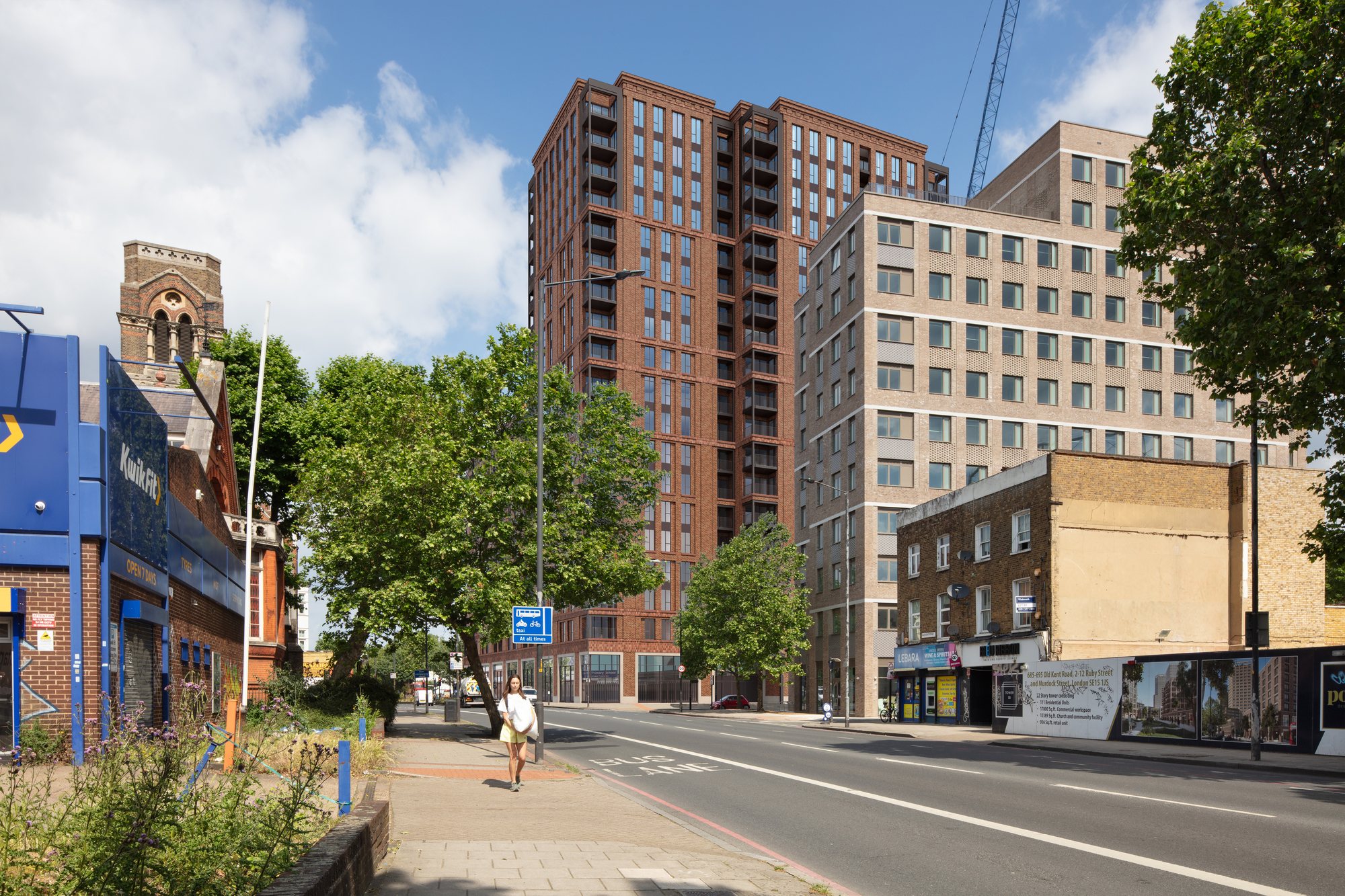
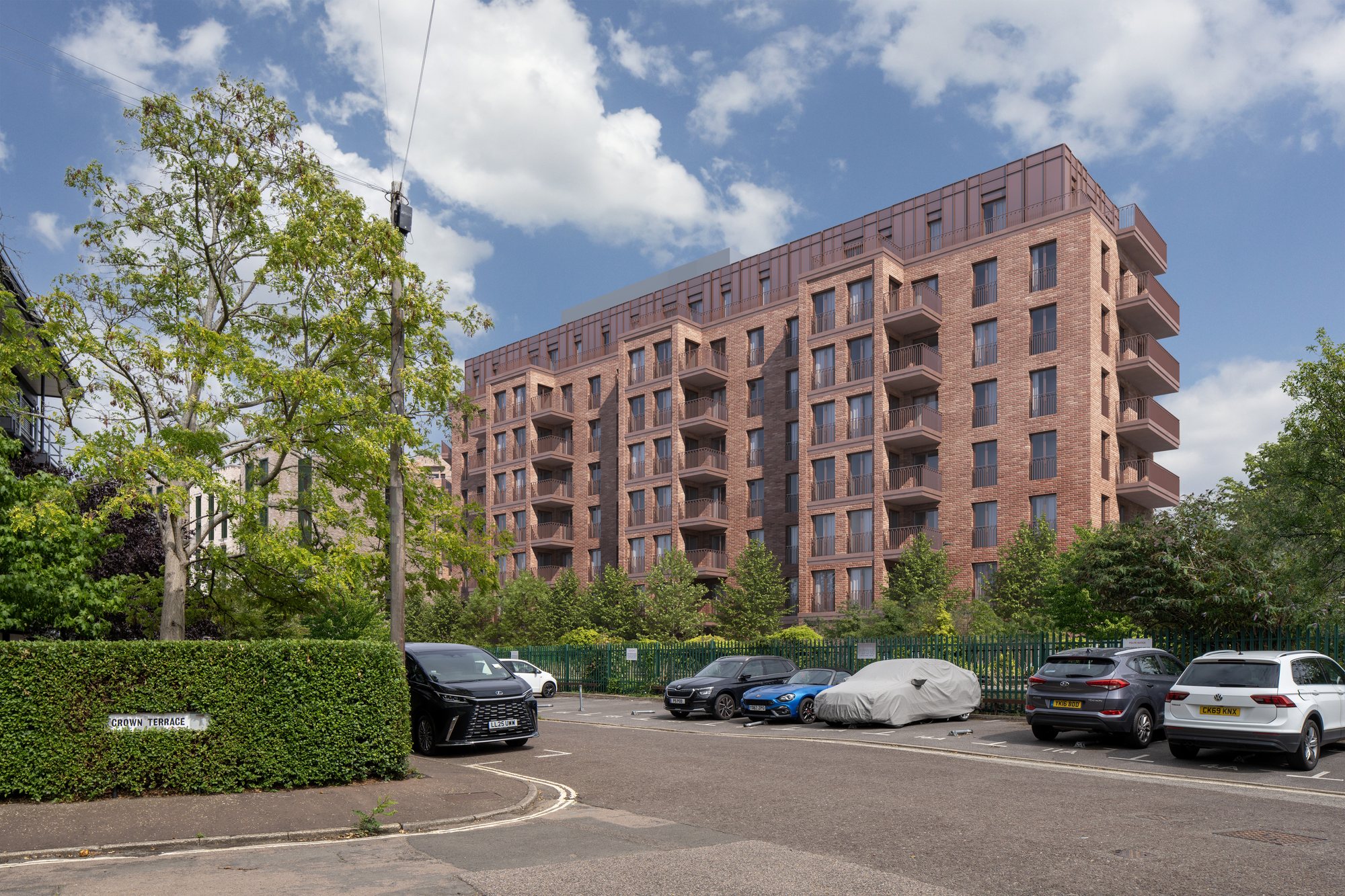
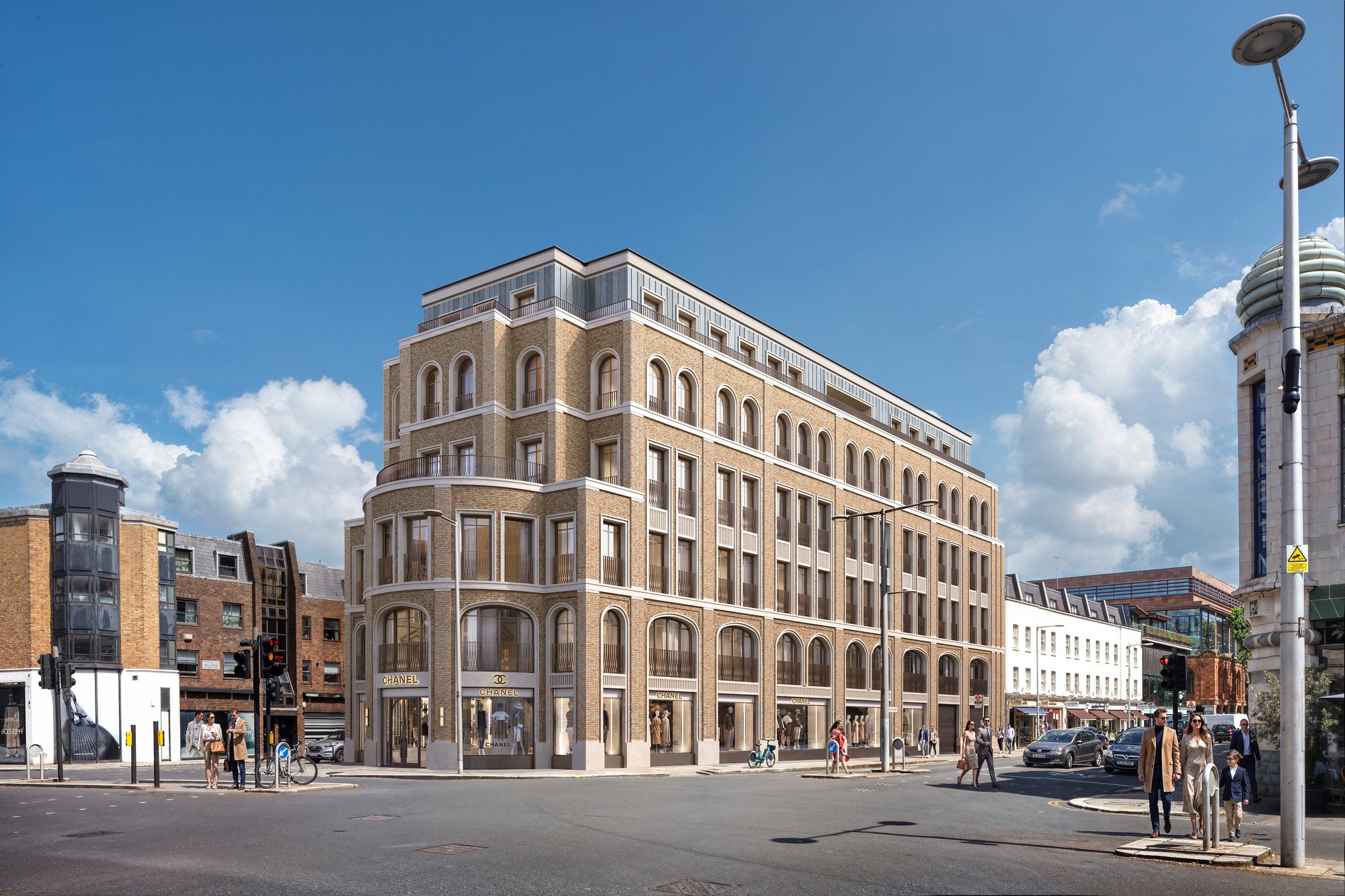
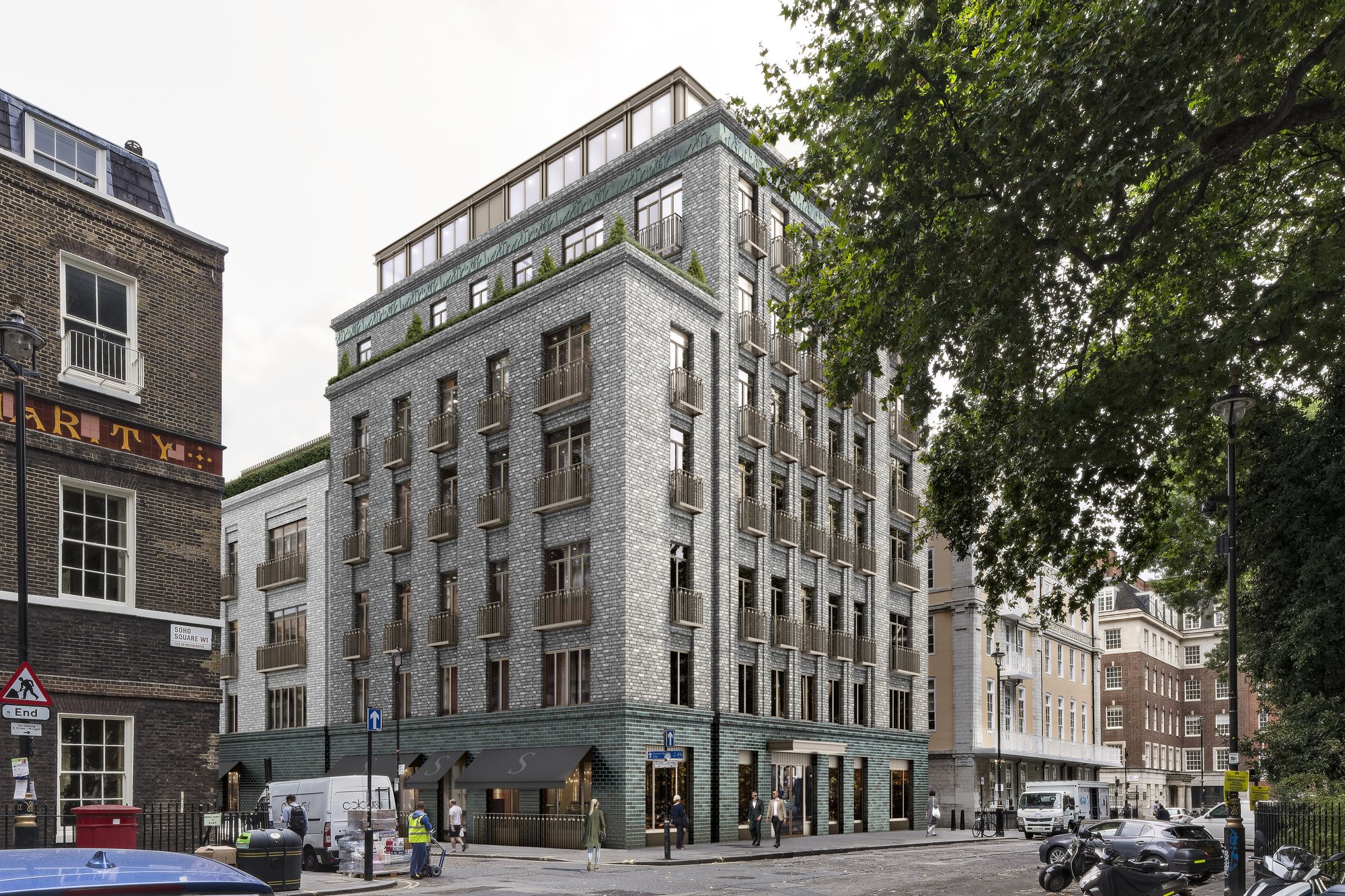
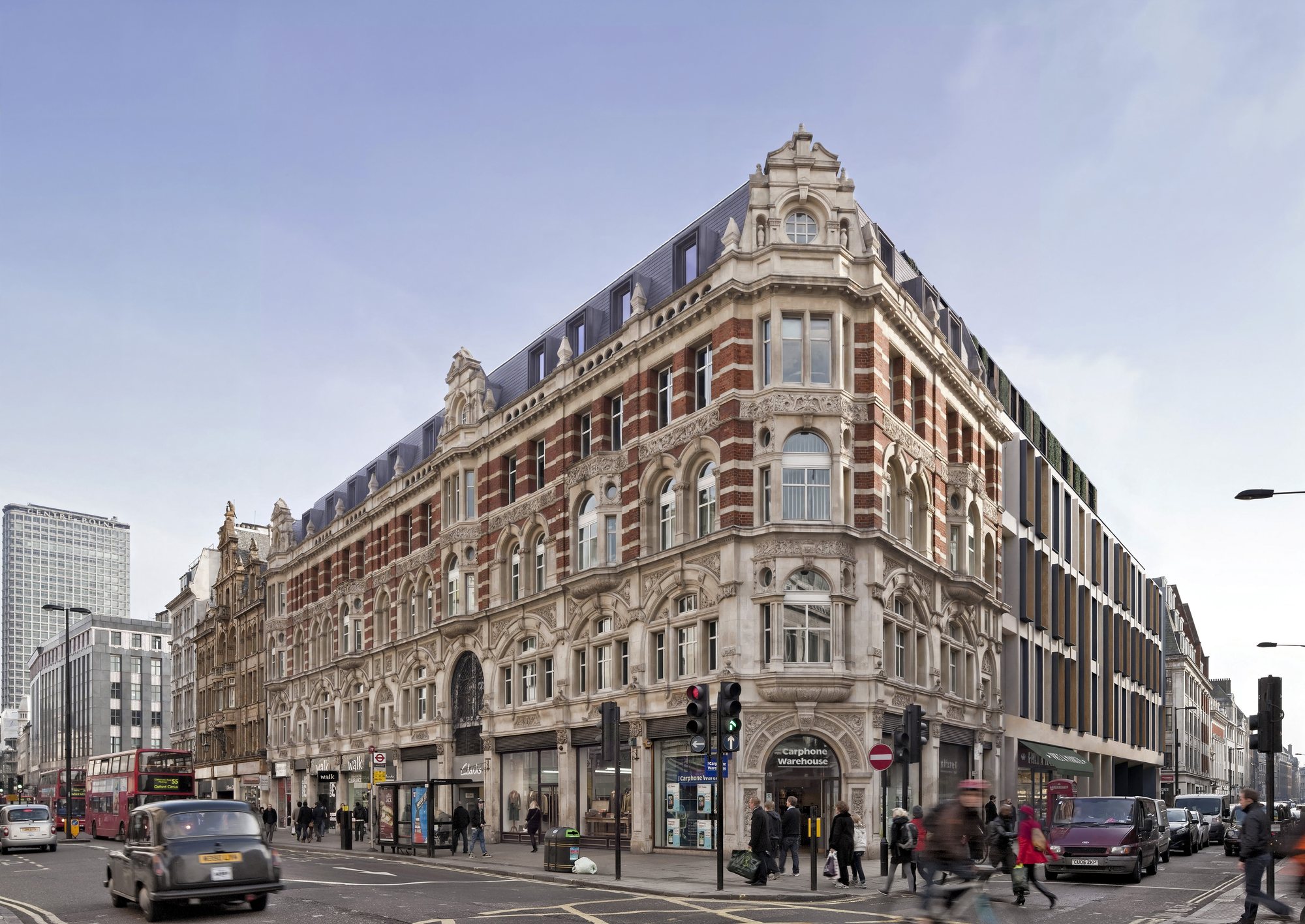
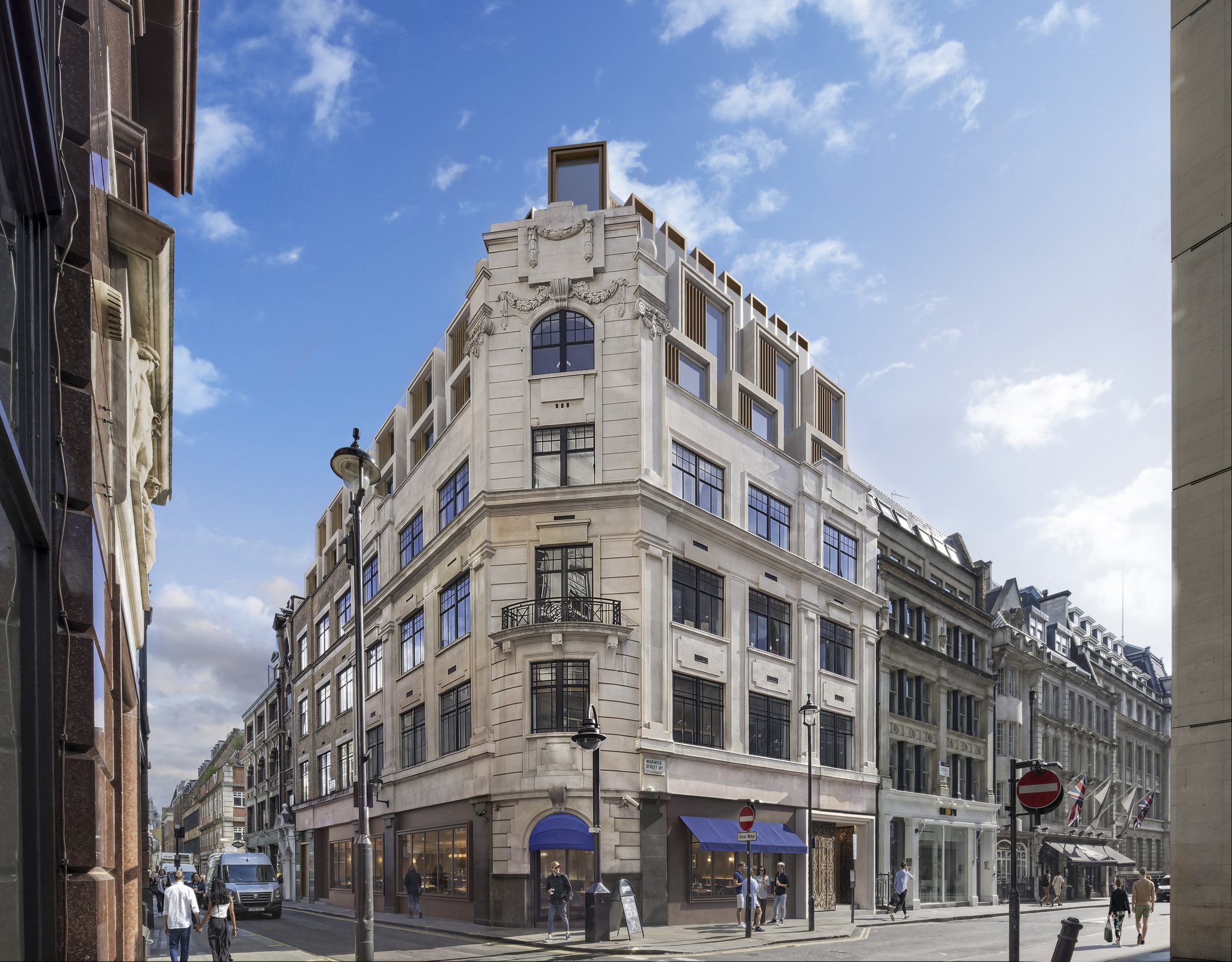
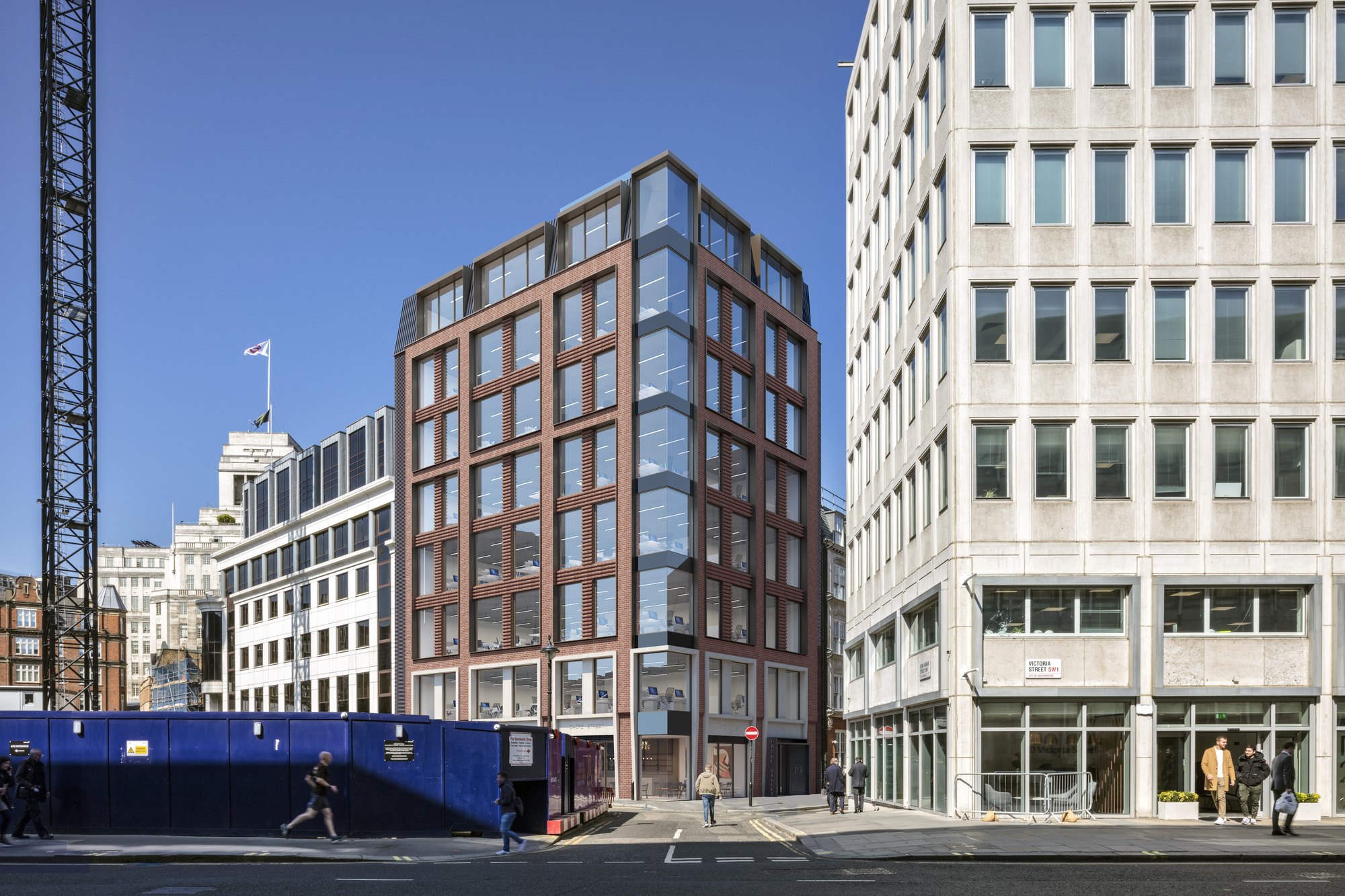
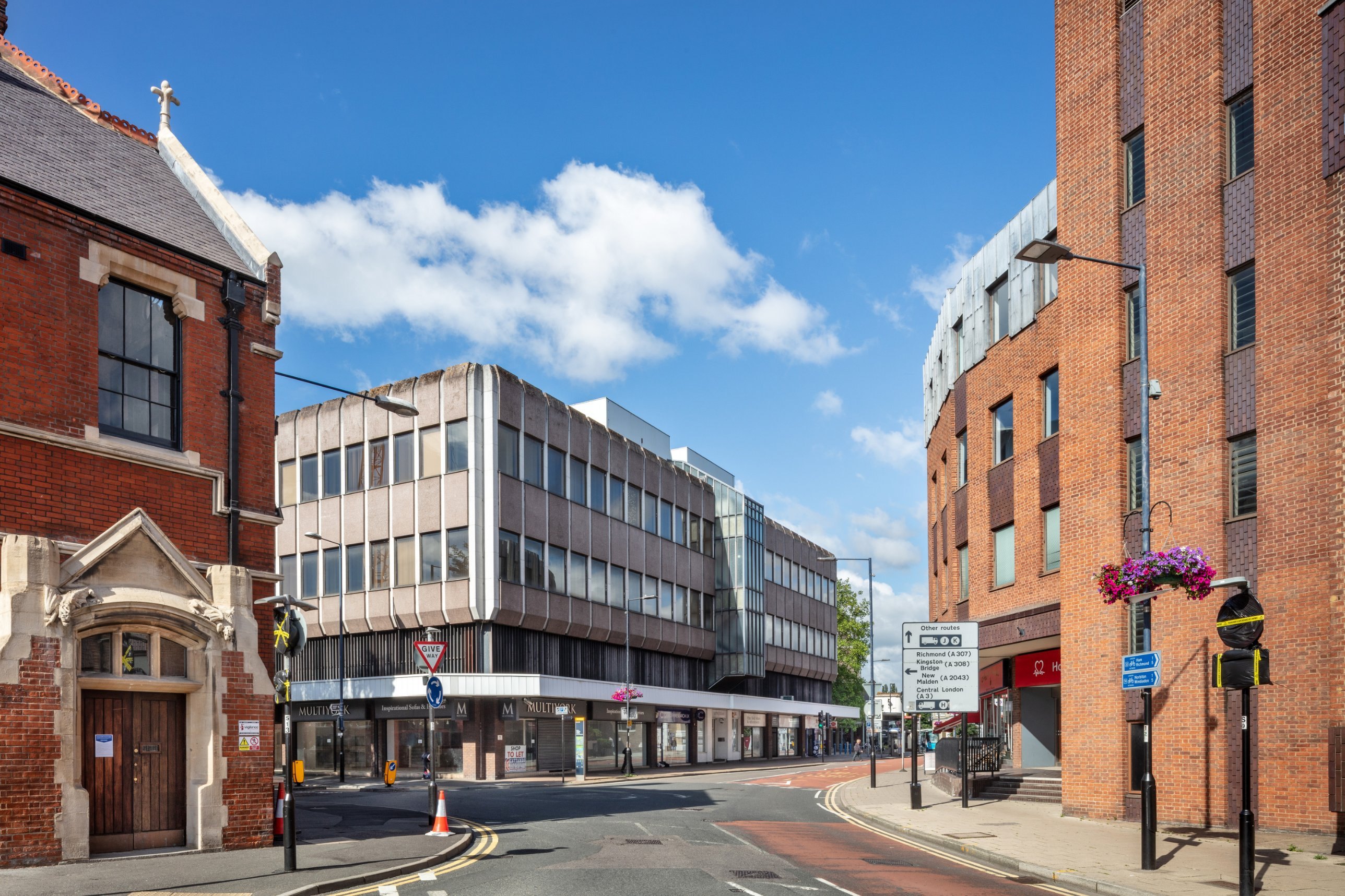
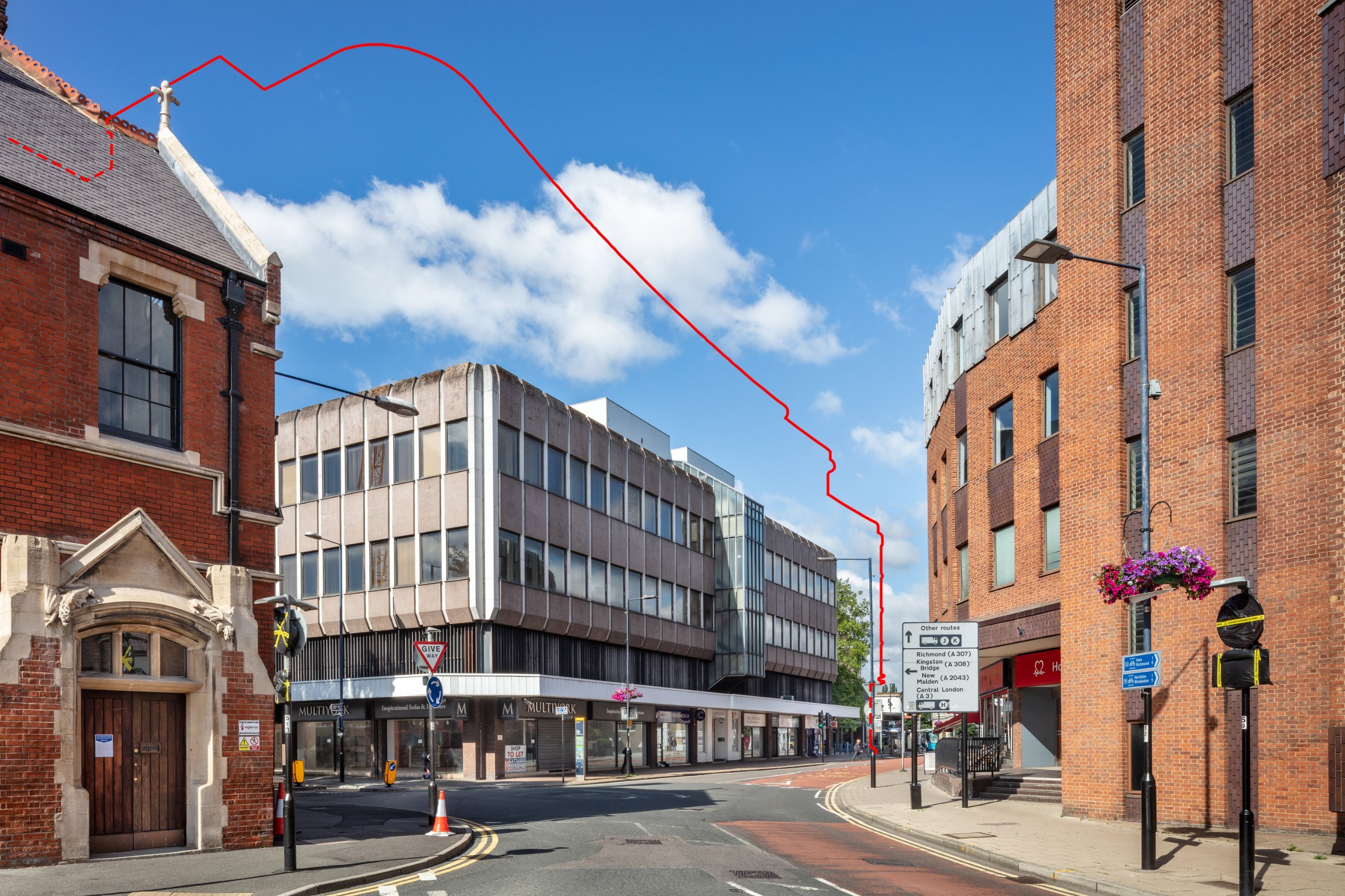
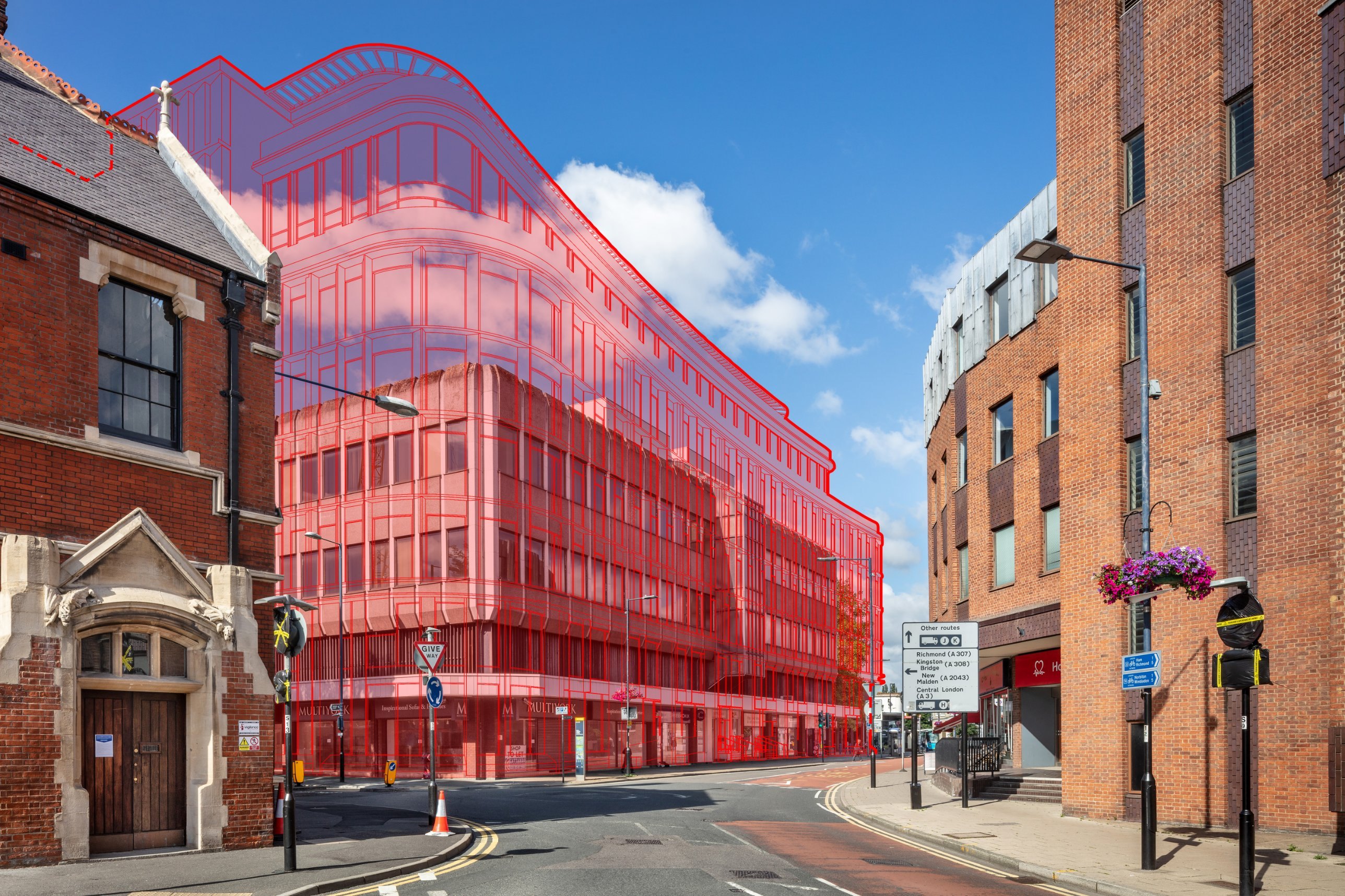
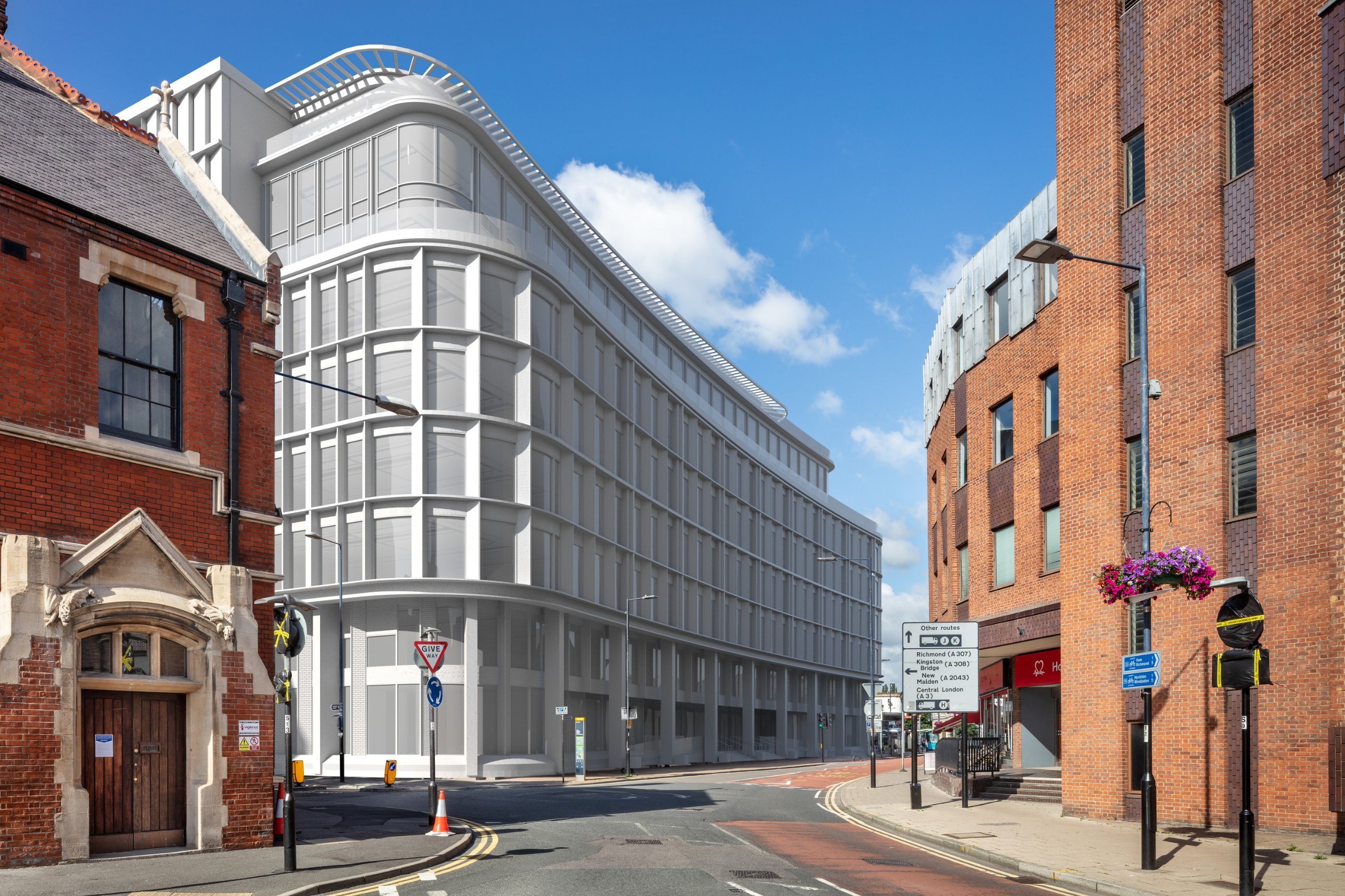
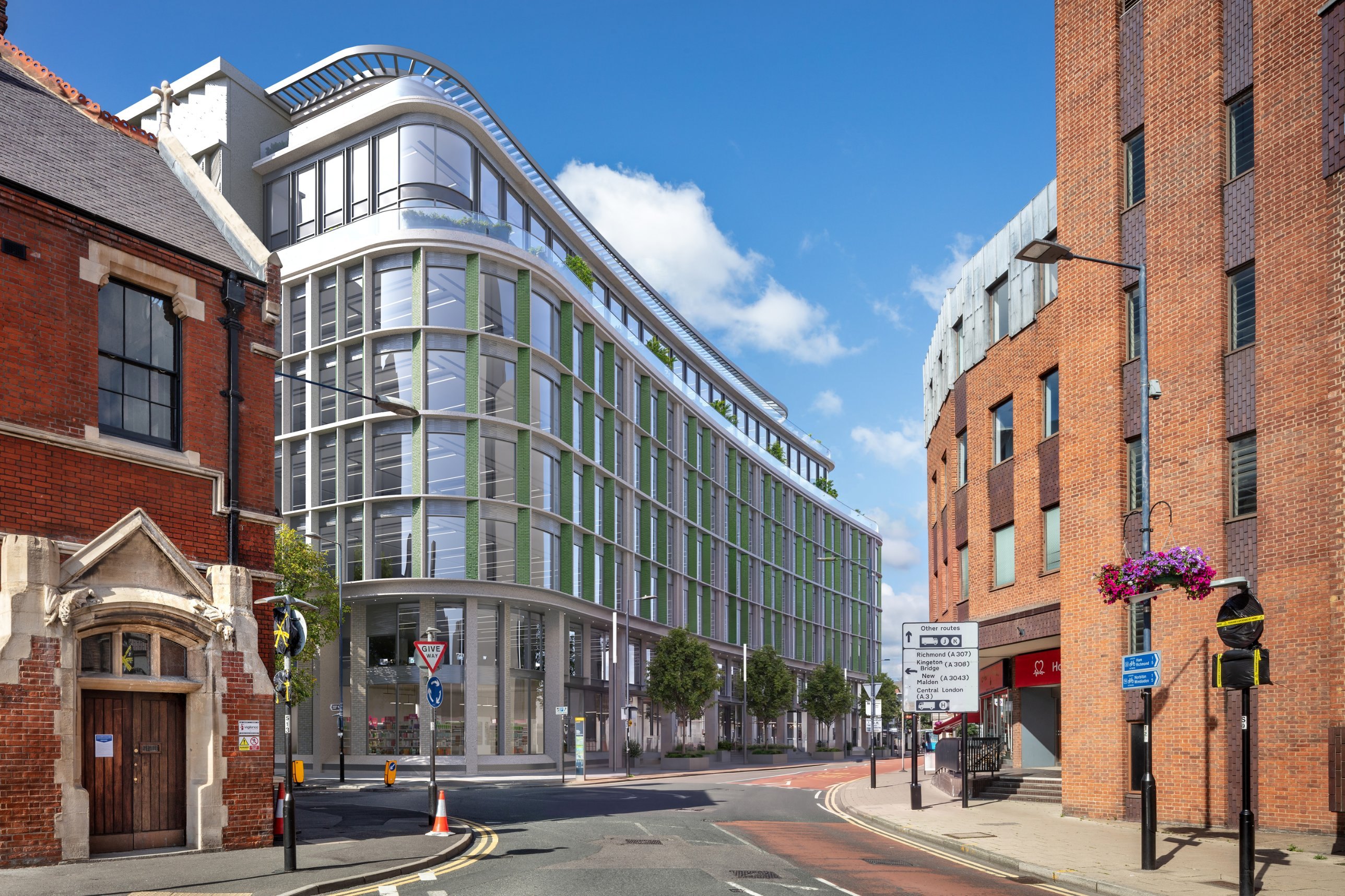
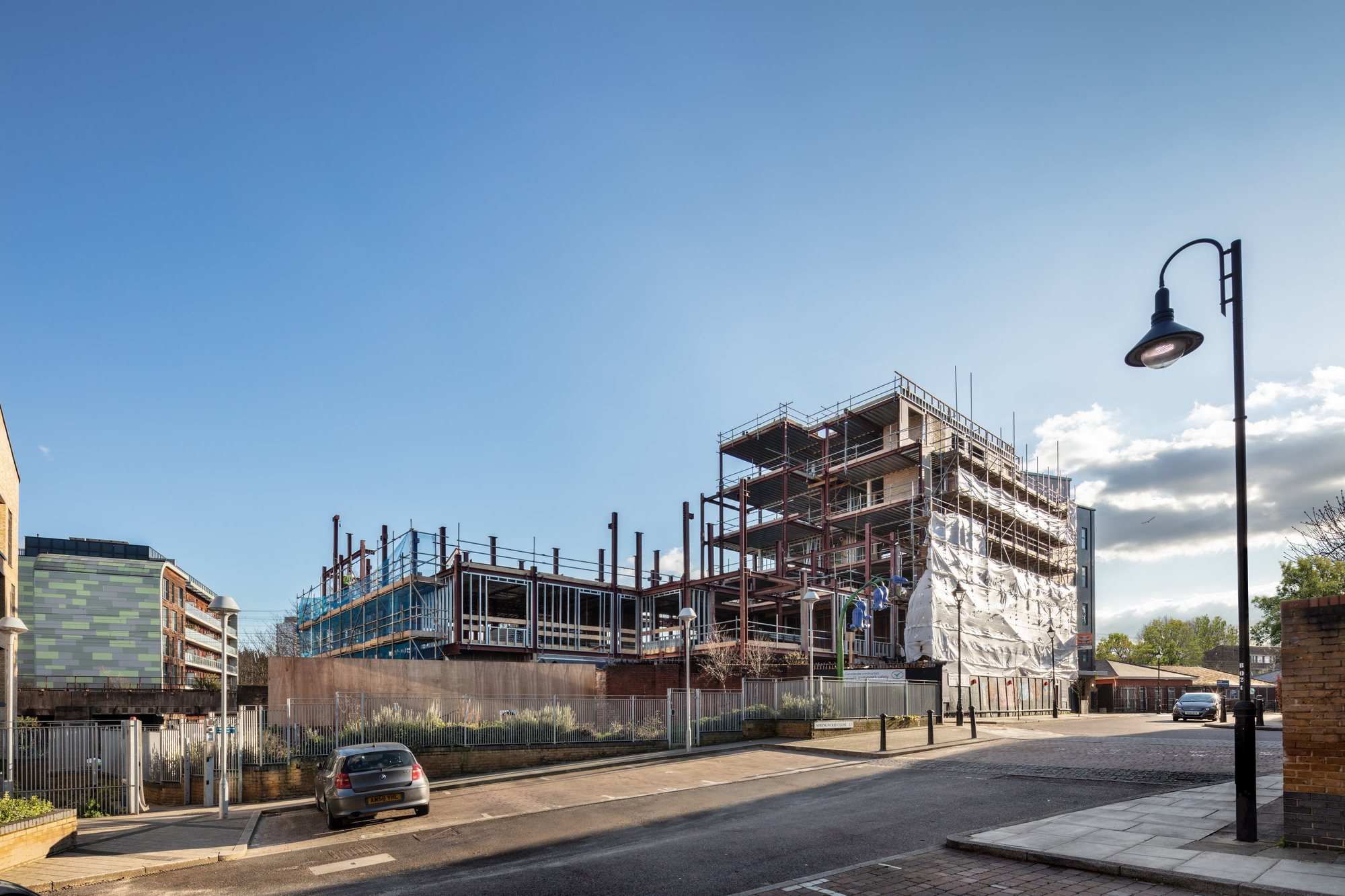
The level you need depends on what the view has to prove. An outline is often enough to show whether a building appears above a tree line. A fully rendered view is needed when materials and character are the question. Use the controls under the image to see one view at each level.
Types and levels
LI TGN 06/19 and LVMFWe use the Landscape Institute and London View Management Framework terms as written, so the scope in your fee proposal and ours describe the same thing.
| Landscape Institute visualisation types (TGN 06/19) | ||
|---|---|---|
| Type 1 | Annotated viewpoint photograph | Baseline and context |
| Type 2 | 3D wireline or model view | Design testing and context |
| Type 3 | Photowire or photomontage, with a less onerous verification and presentation standard | Many applications and assessments where Type 4 is not required |
| Type 4 | Photowire or photomontage with a verifiable, documented process, including surveyed camera and reference points | Applications, LVIA, TVIA, heritage assessment and appeal where the highest standard is needed |
| LVMF accurate visual representation levels (Appendix C) | ||
|---|---|---|
| AVR0 | Location and extent of the proposal | Massing and visibility tests |
| AVR1 | Location, extent and degree of visibility | Distant views, cumulative schemes |
| AVR2 | Adds a description of the architectural form | Middle-distance views |
| AVR3 | Adds the use of materials | Close views where character is assessed |
These are two separate systems. The LI Type describes the form of the visualisation and the verification behind it; the AVR level describes how much information about the proposal is shown. A higher AVR level is not a higher accuracy: an AVR1 view is drawn to the same survey as an AVR3. The LI currently lists TGN 06/19 as under review; each method statement names the guidance applied.
What you receive
- Viewpoint plan
- Every camera position on an OS base, in your figure numbering
- Camera data
- Coordinates, height, lens, field of view, date and time for each view
- Survey summary
- Independent surveyor, OSGB36, stated tolerance
- Each view
- Existing photograph, wireline and photomontage at your sheet size
- Method statement
- Written to drop into your appendix
- Archive
- Survey, photography and model files kept for to confirm years
Programme
- Survey and photography
- Booked within to confirm of instruction
- First views
- to confirm after we receive the model
- Officer requests
- Revised views within to confirm during determination
- Leaf-off season
- Late November to March, depending on species and year
- Design changes
- New views from the same survey, without going back to site
Selected views
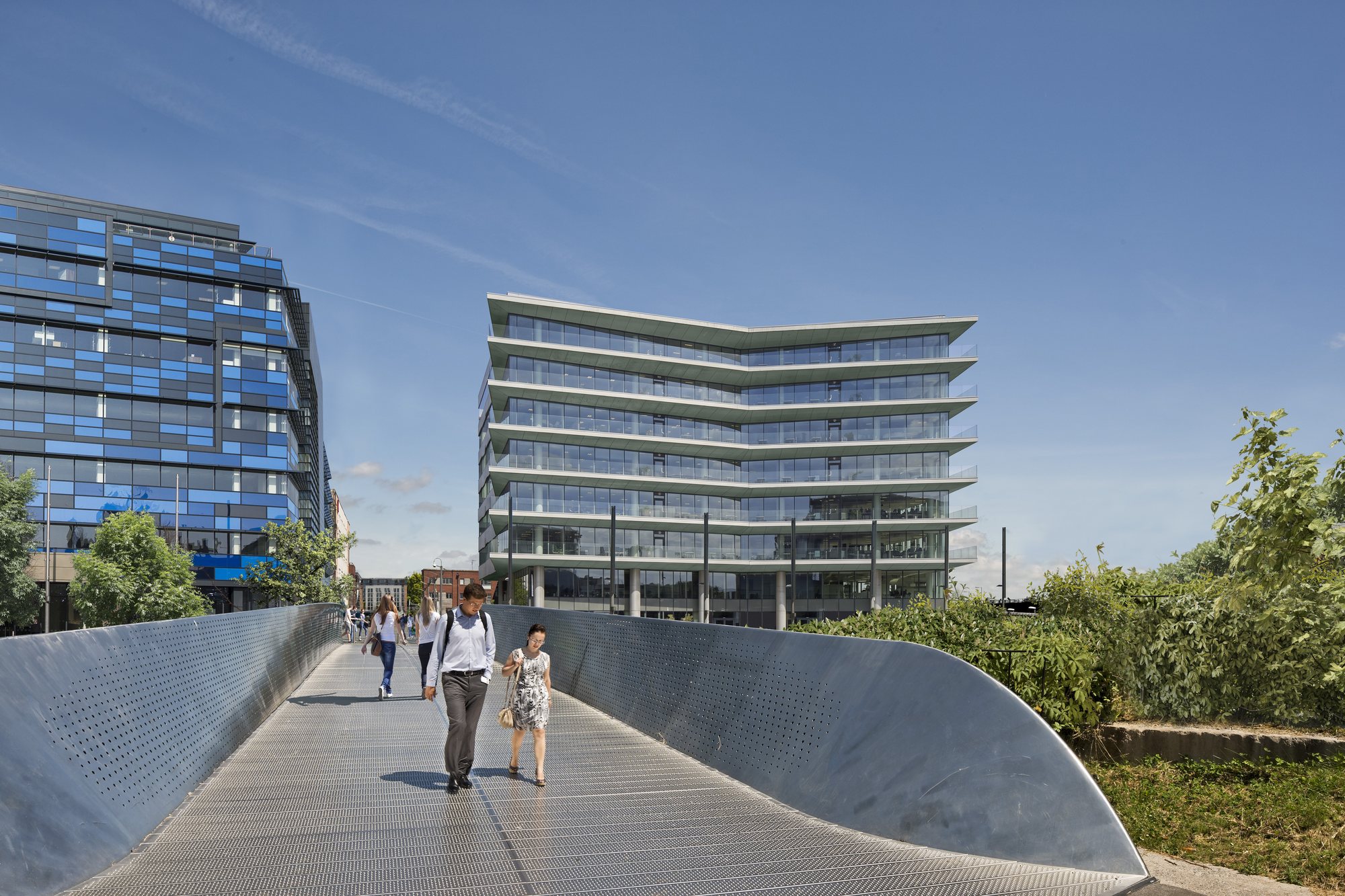
Drag to compare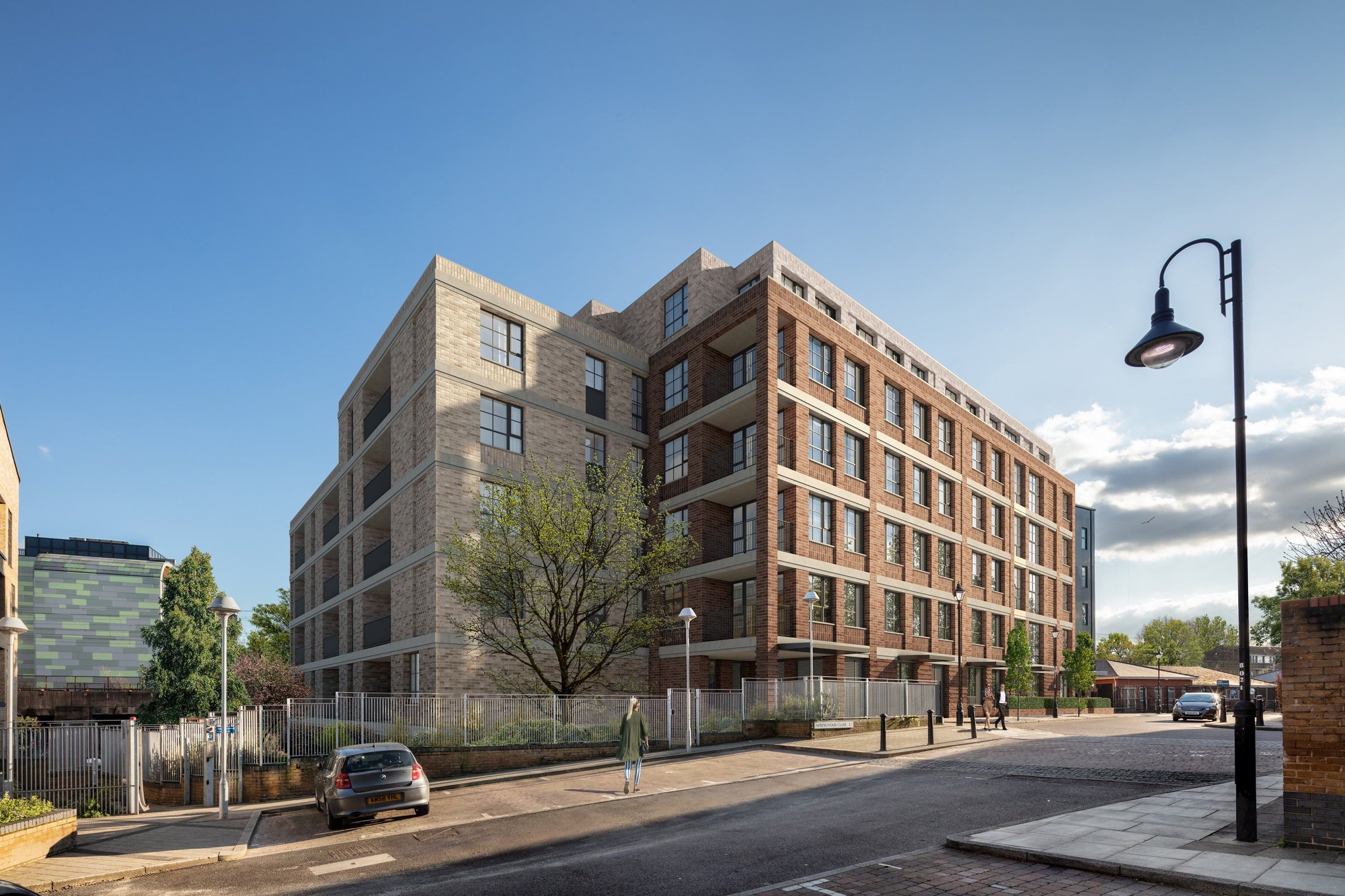
 PhotographProposed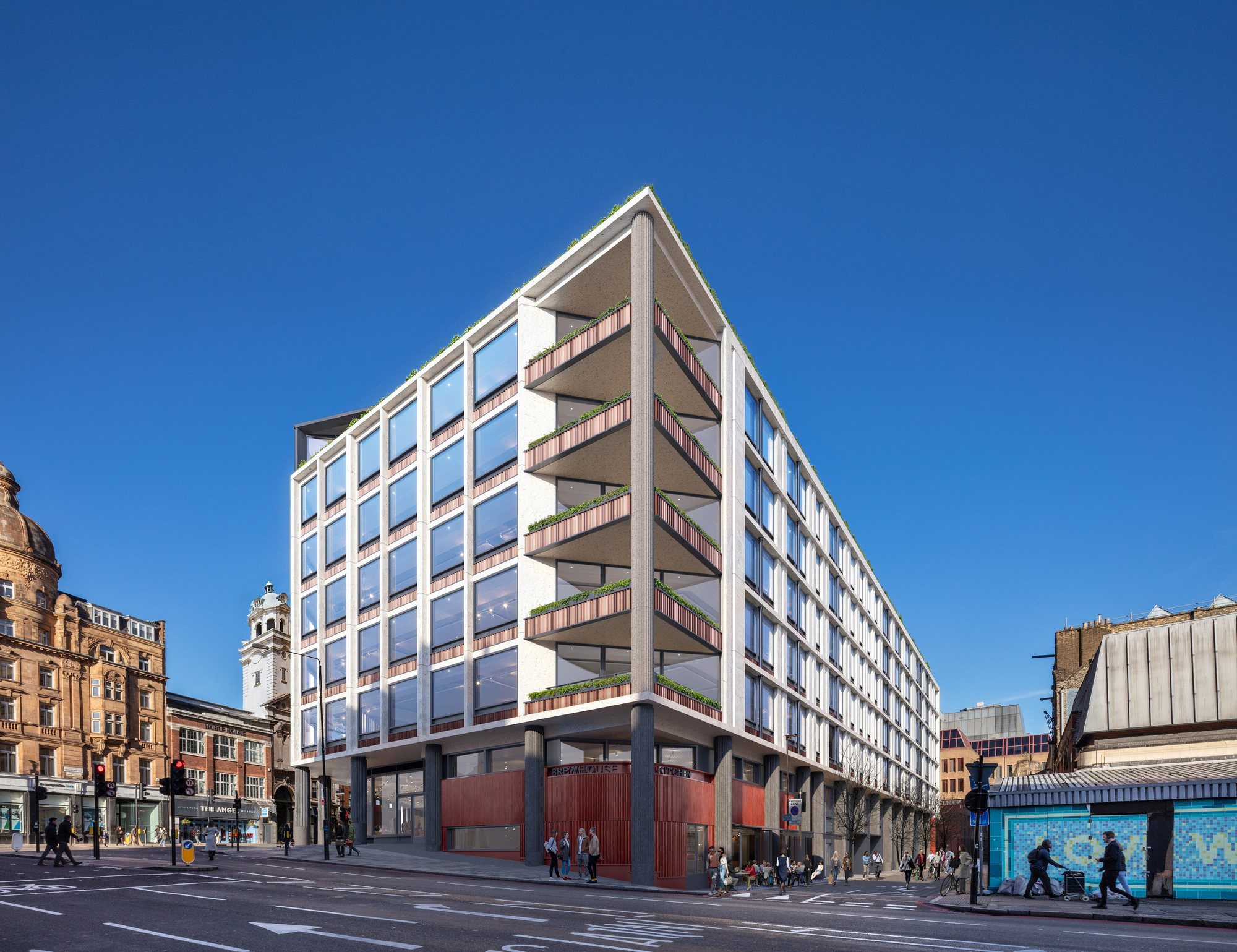
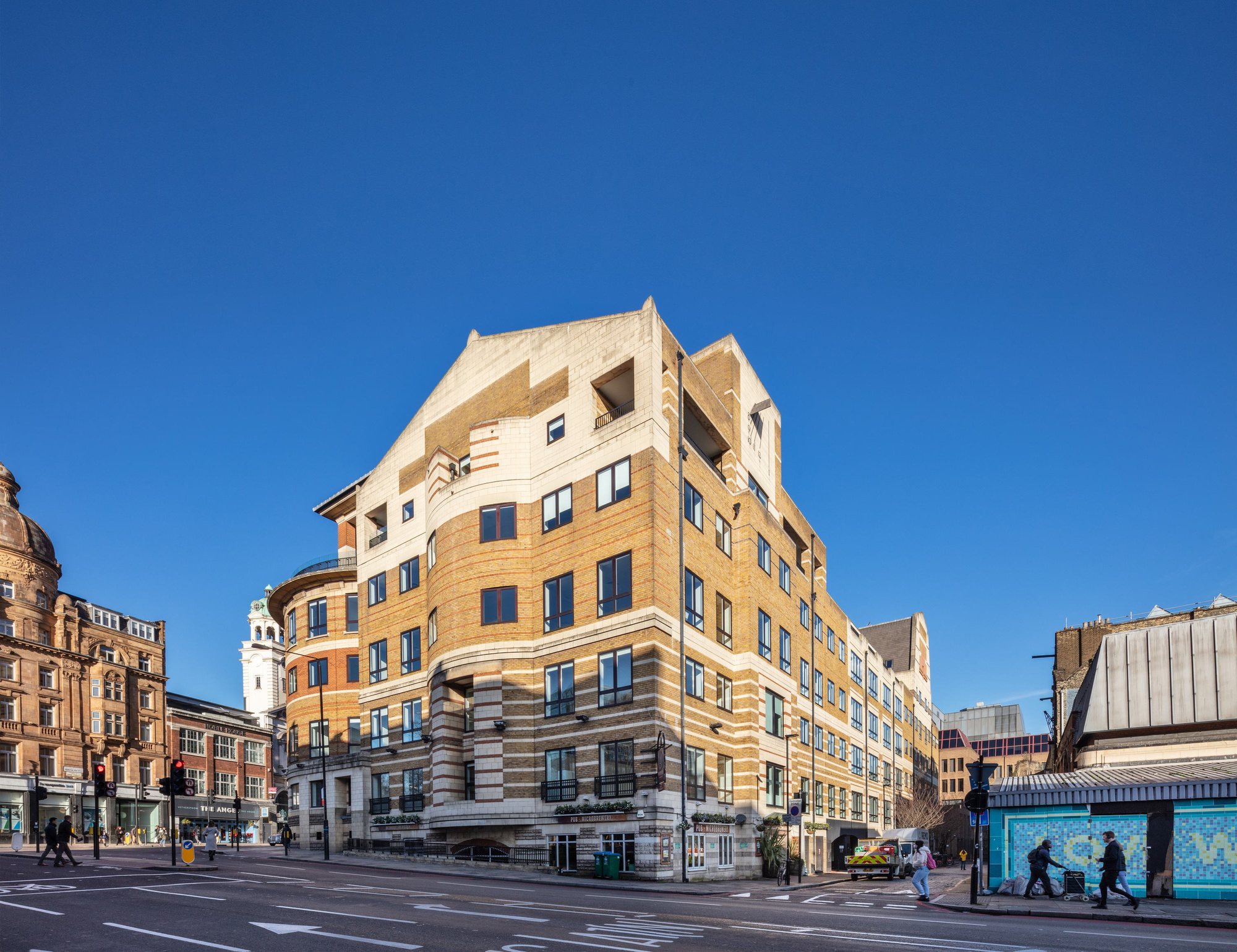 PhotographProposed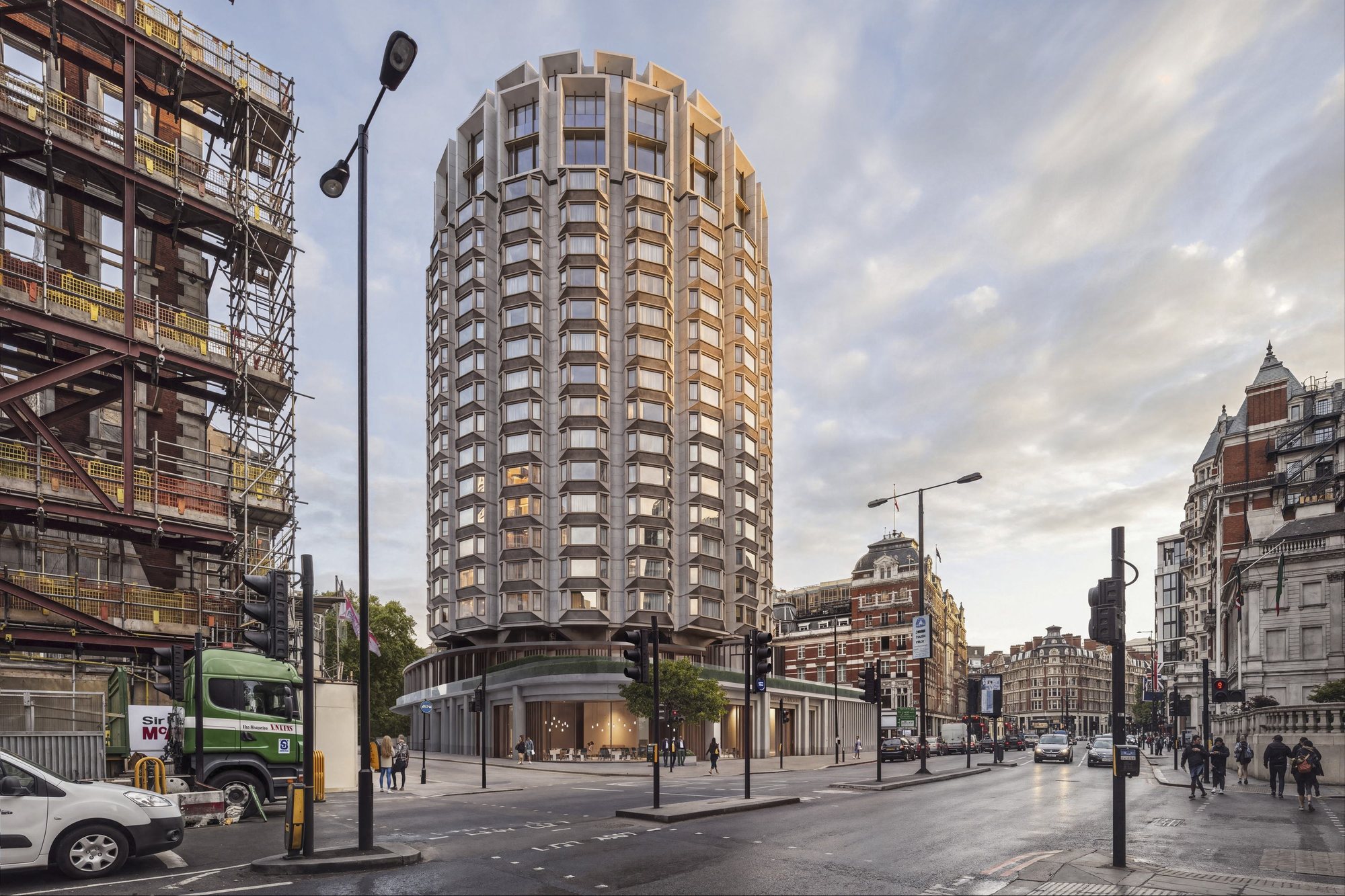
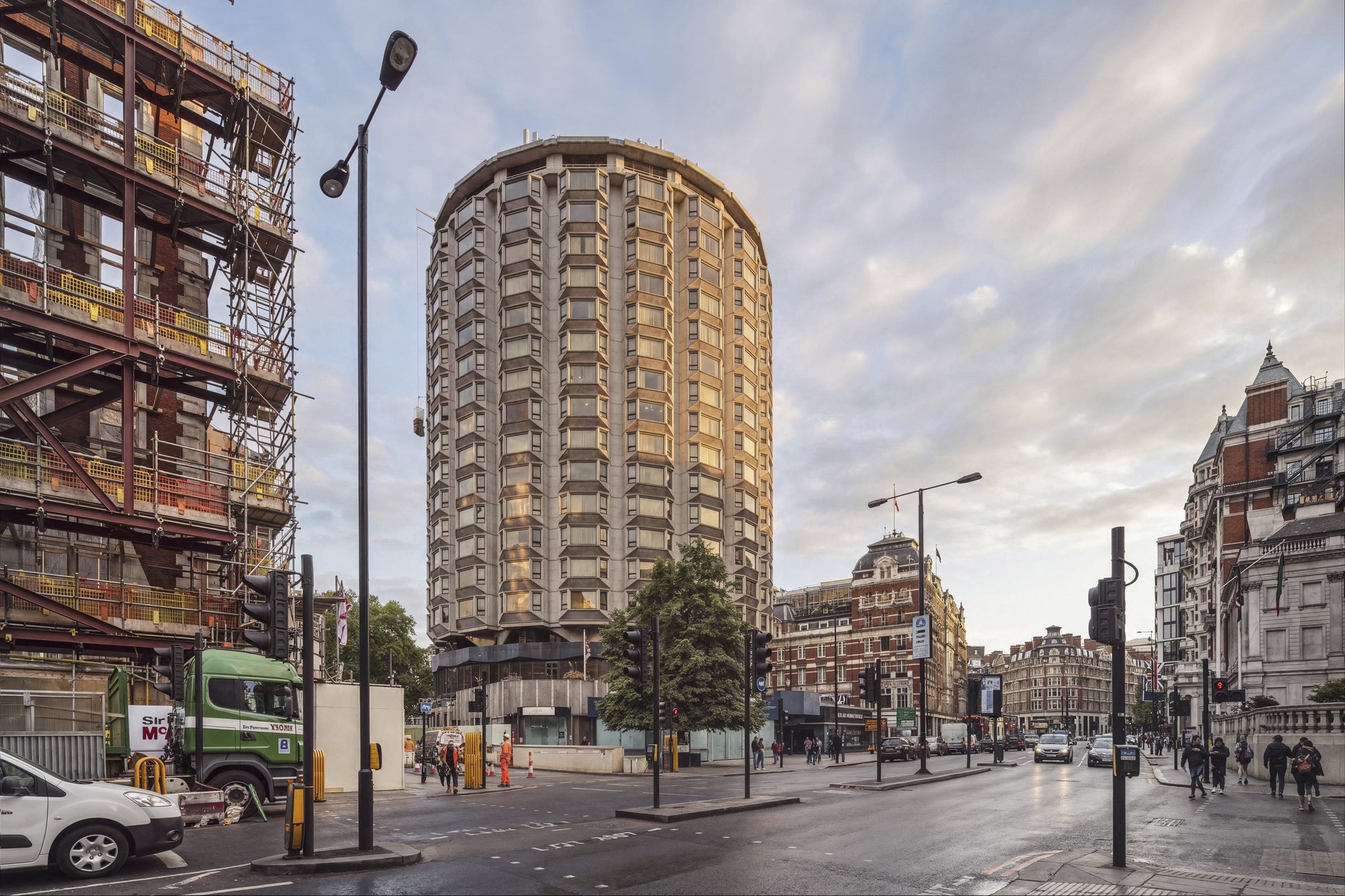 PhotographProposed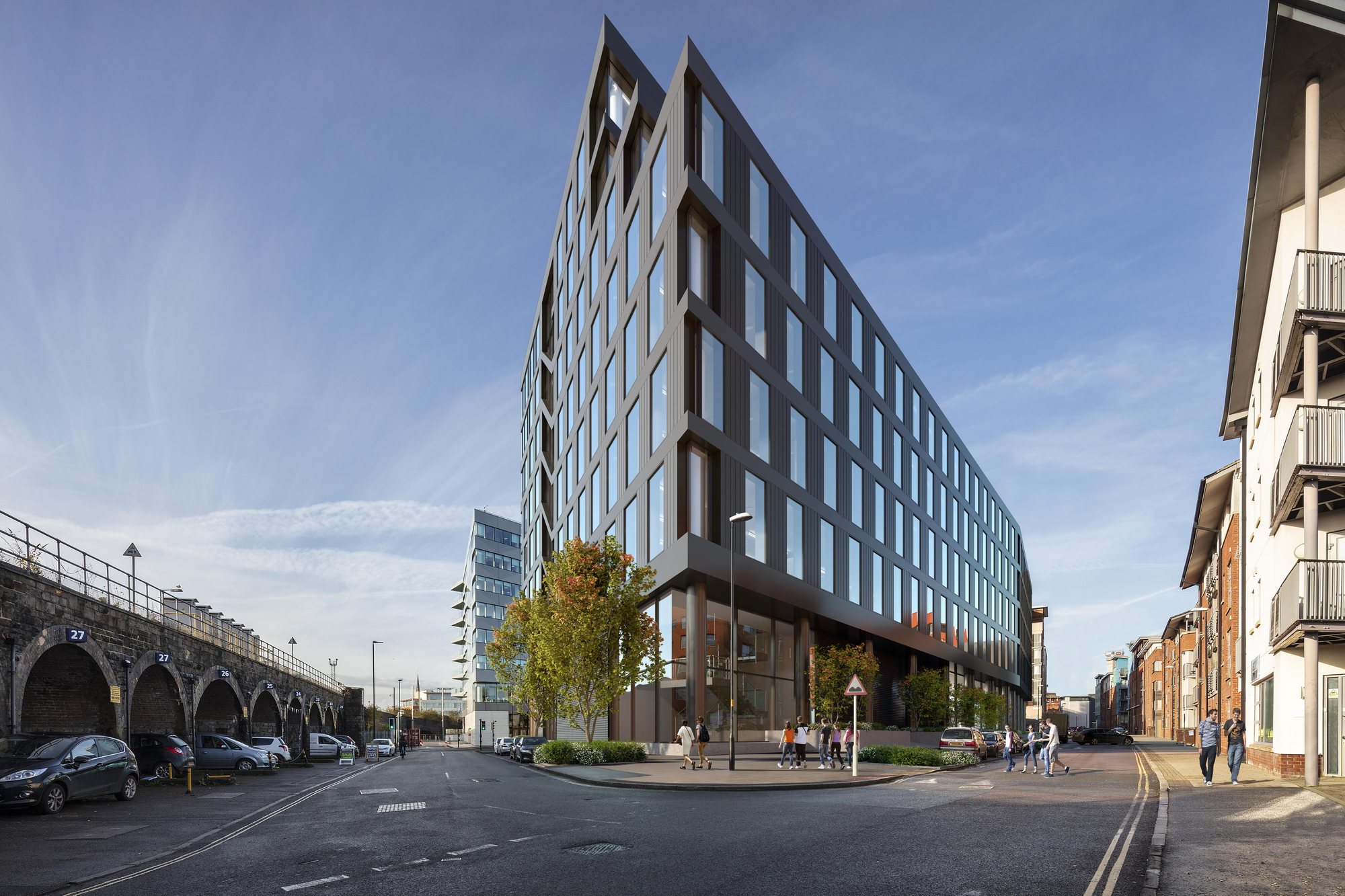
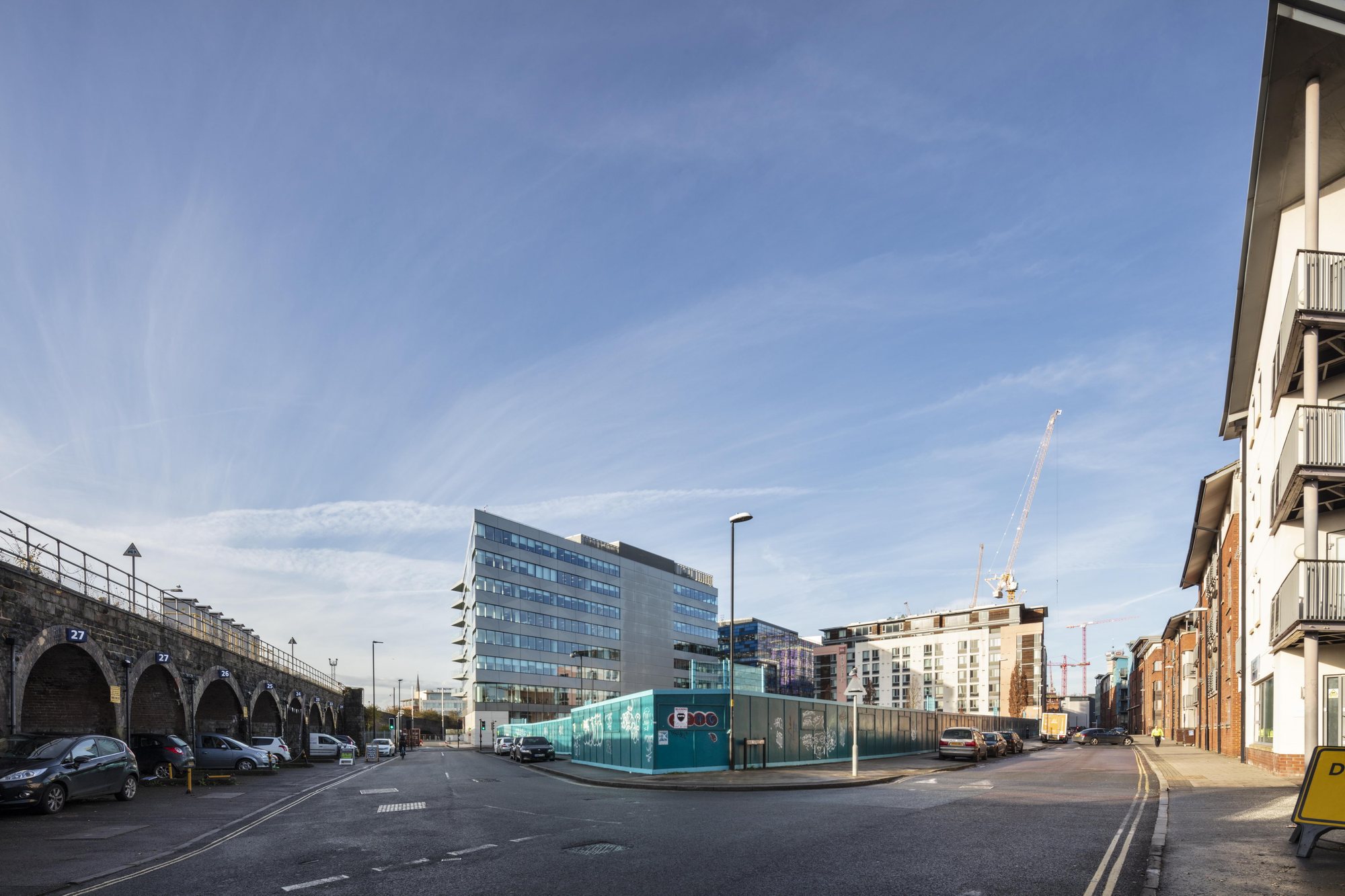 PhotographProposed
Industrial and data centres
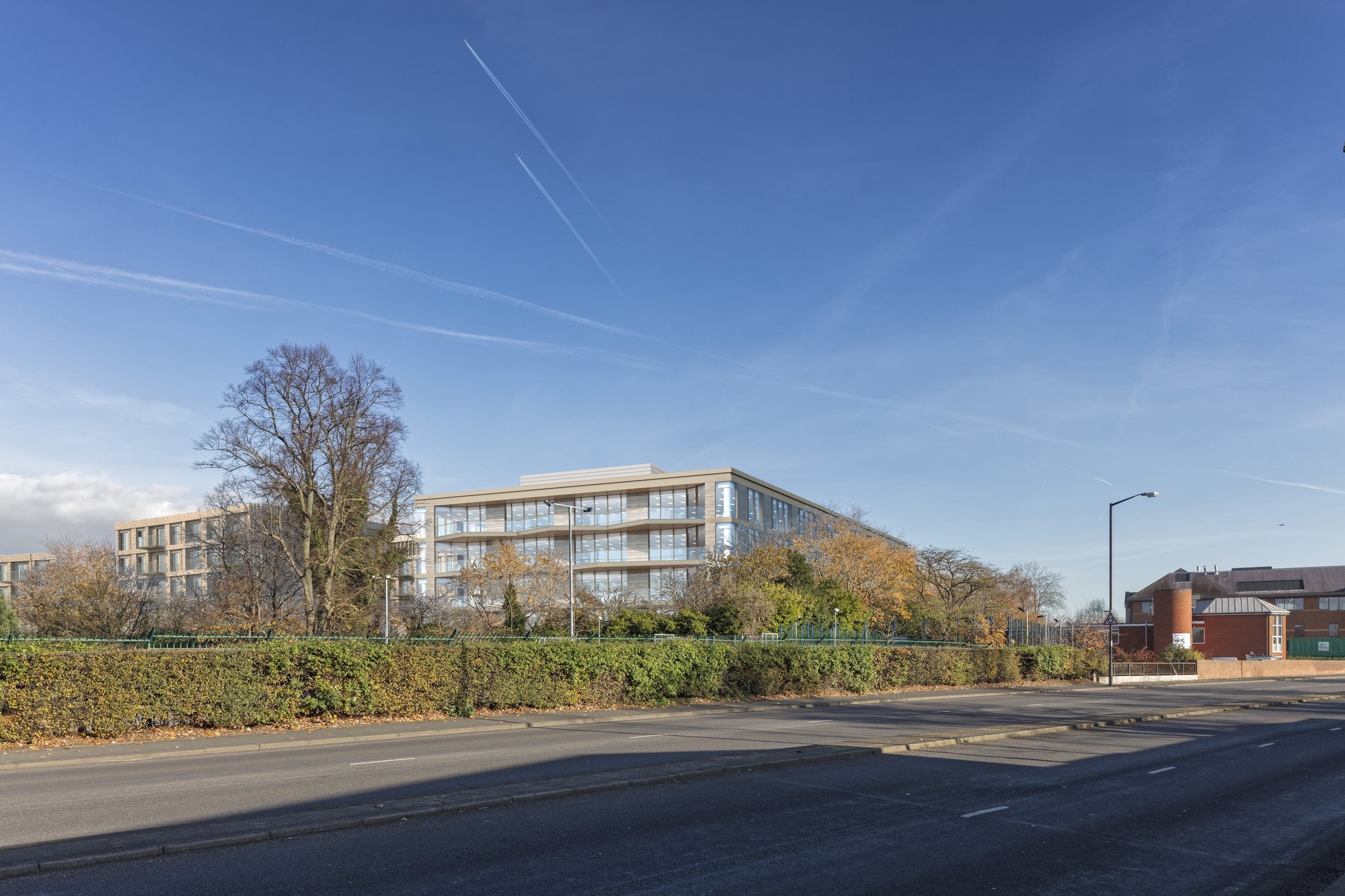
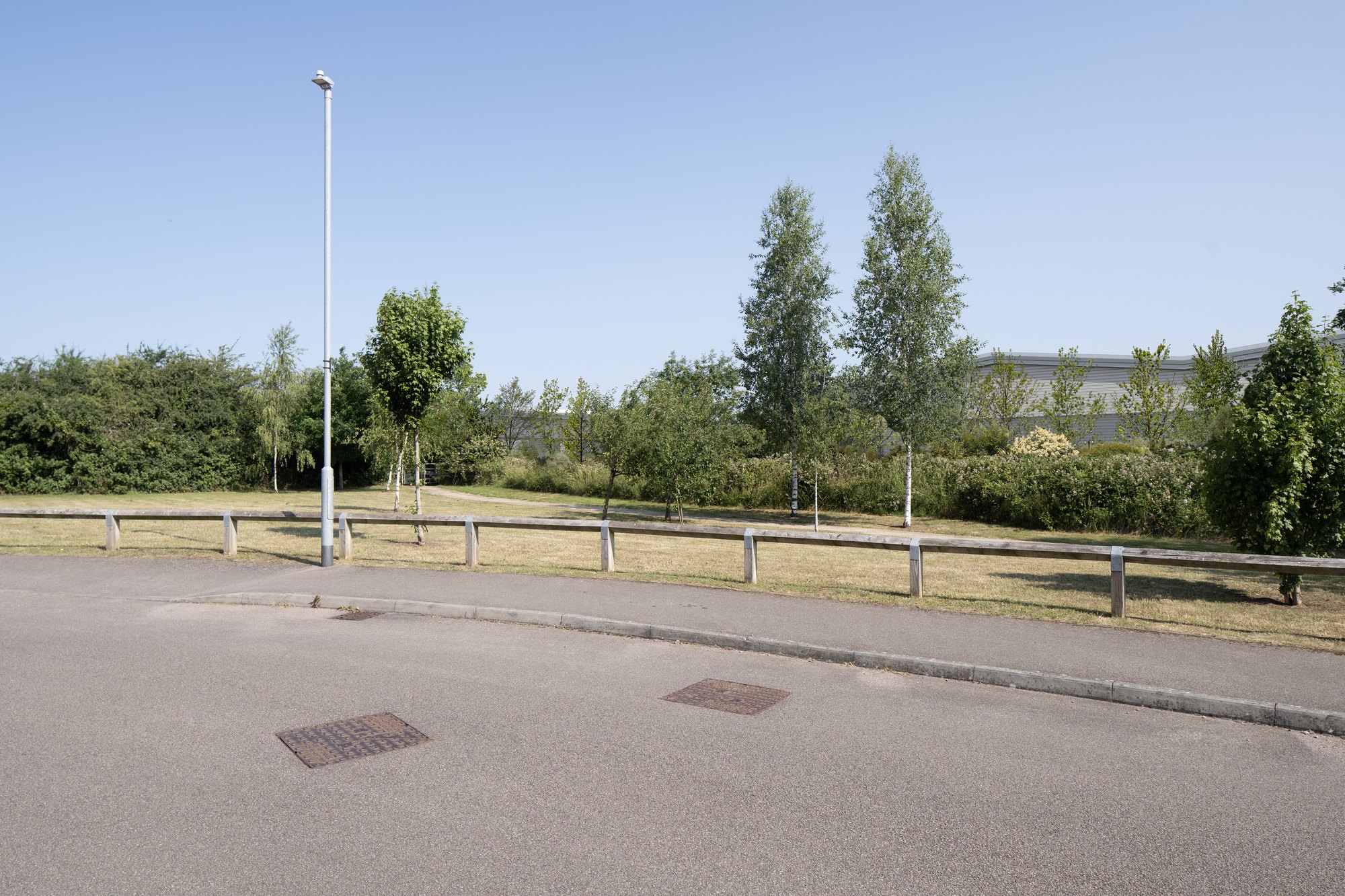
See the work →Logistics sheds, industrial estates and data centres, where the planning question is mostly landscape and visual: how a large building sits behind hedges, beside a main road or across open fields.
Explore a complete set of verified views
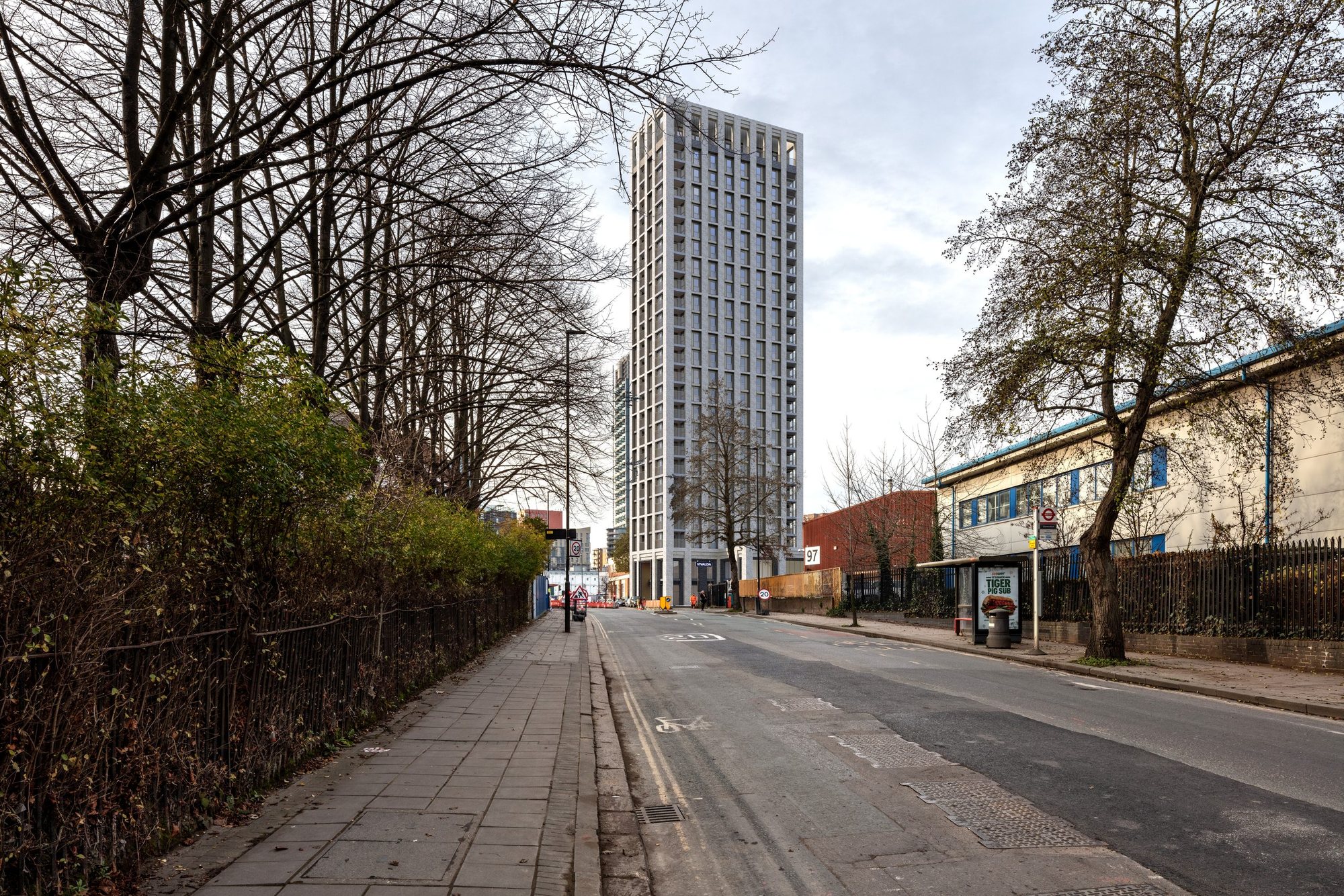
Explore all sixteen verified views produced for School Road, Acton, a scheme granted planning permission in March 2024.
Compare the existing conditions, proposed massing and consented development in detail, with the verification data alongside each view. The complete method statement is also available to download, showing the survey, photography and technical process behind the work.
Verified view projects
All projects →